Strathnaver Museum
OUR EXPERIENCES
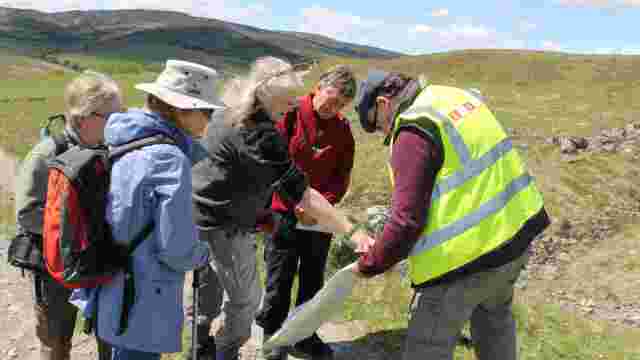
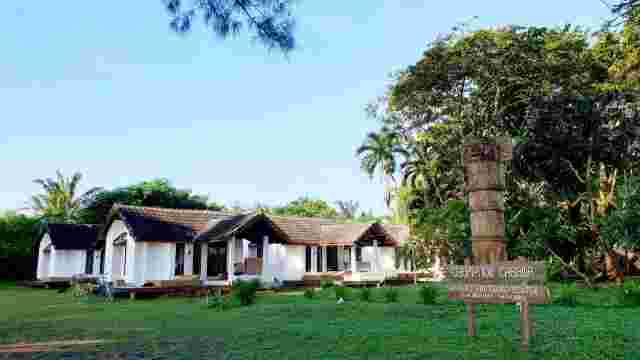
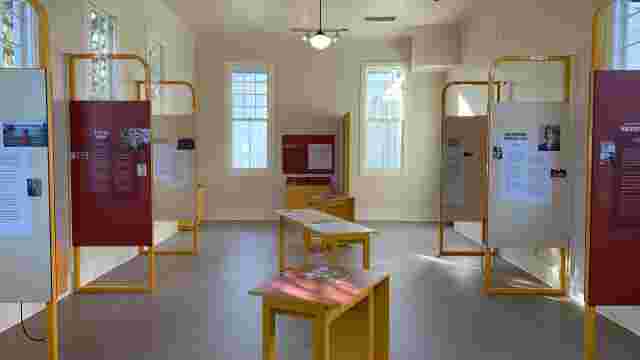
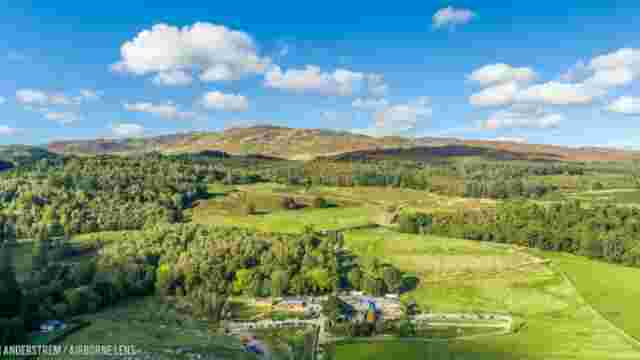
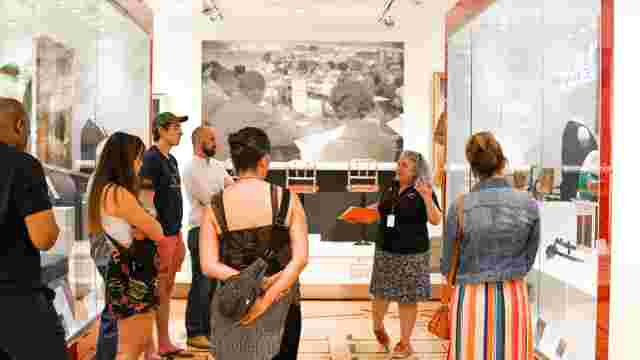
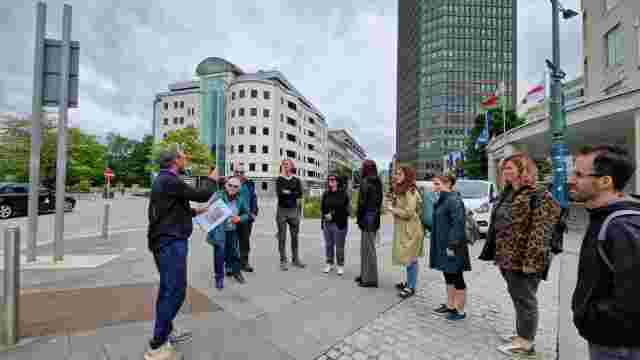
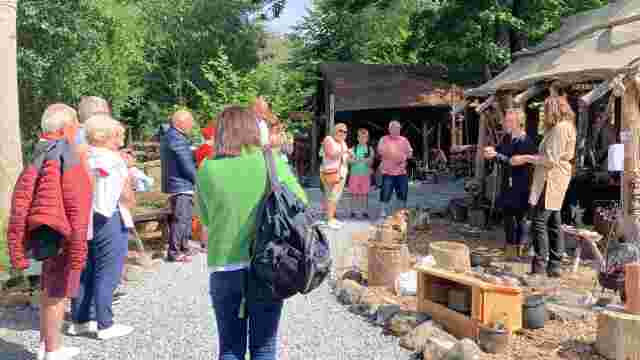
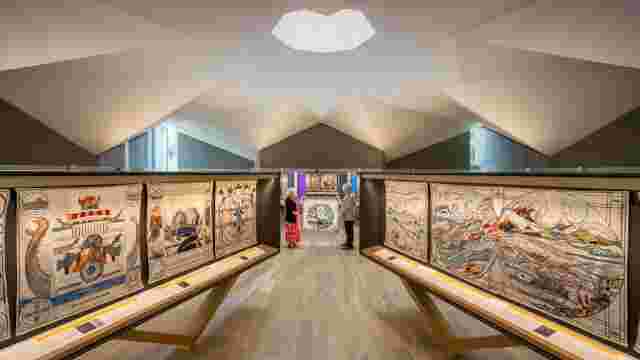
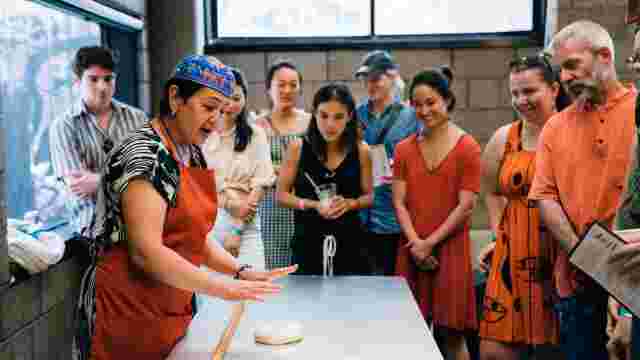
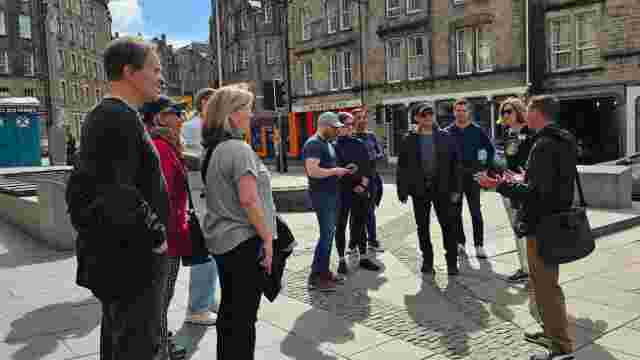
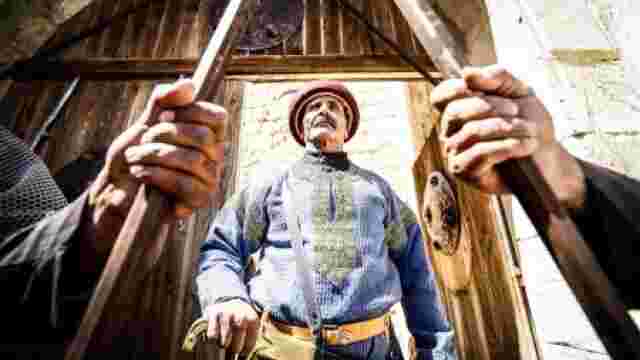
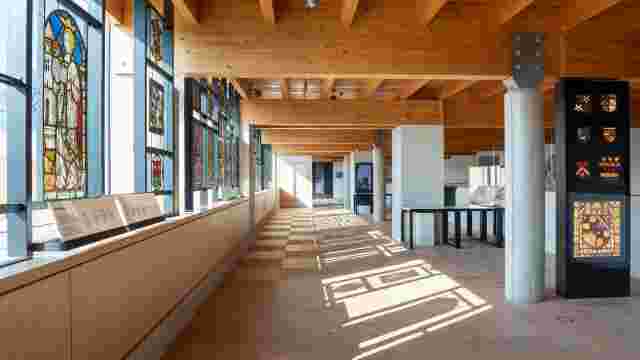
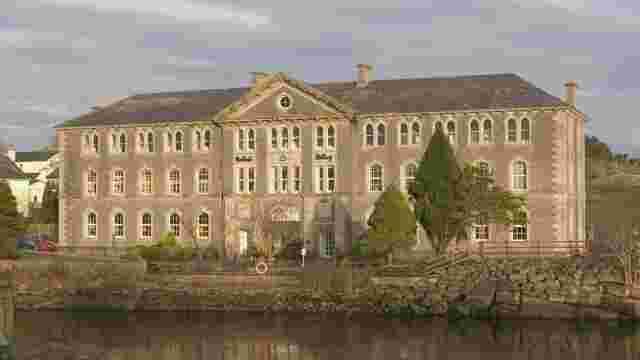
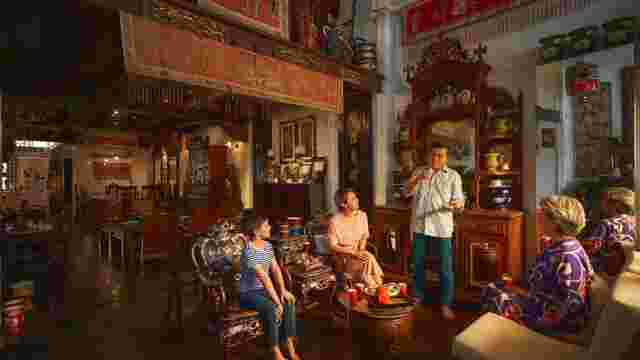
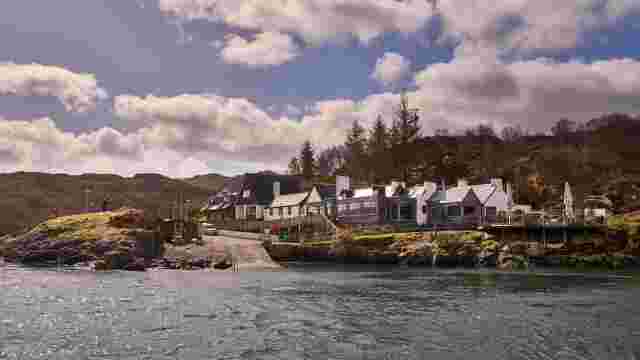
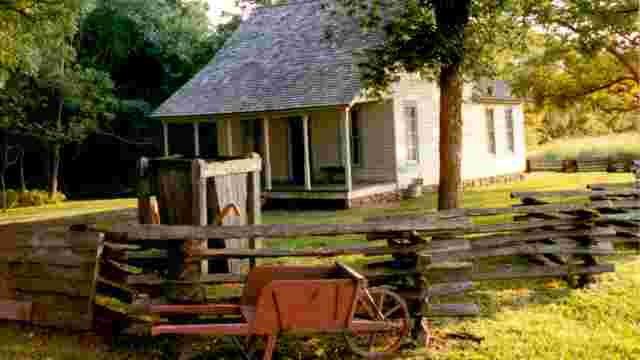
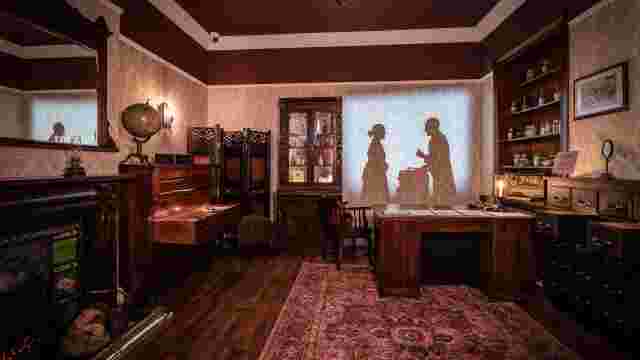
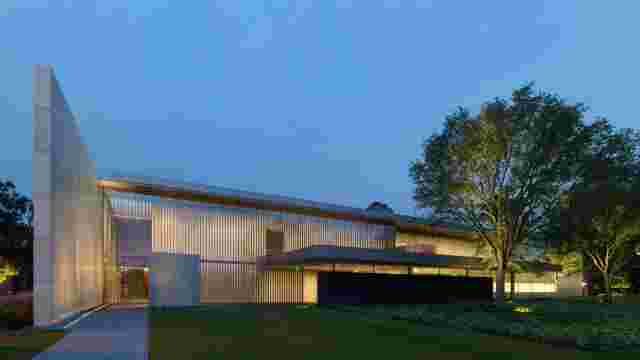
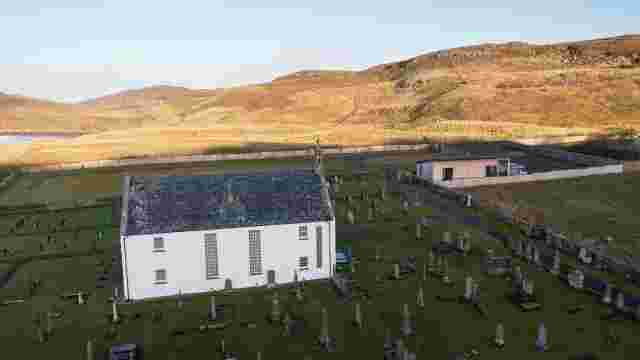
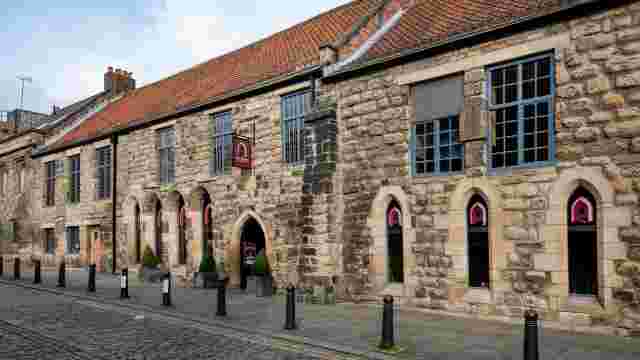
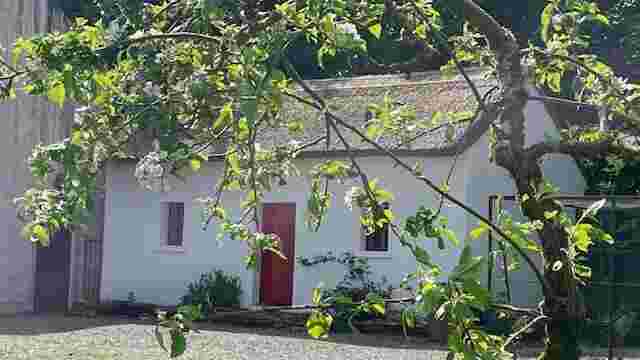
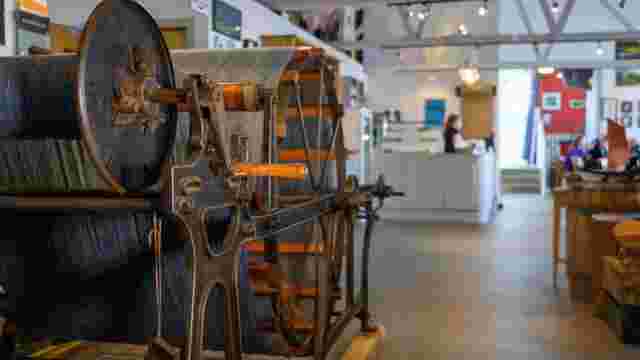
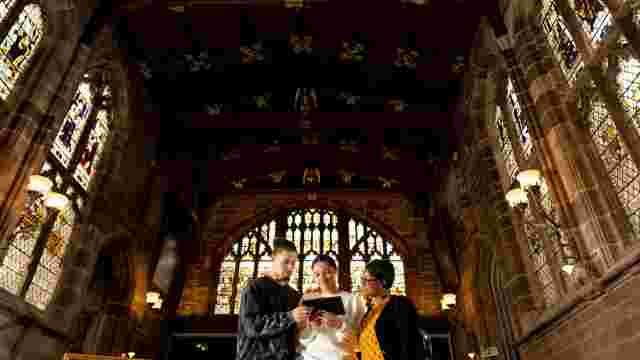
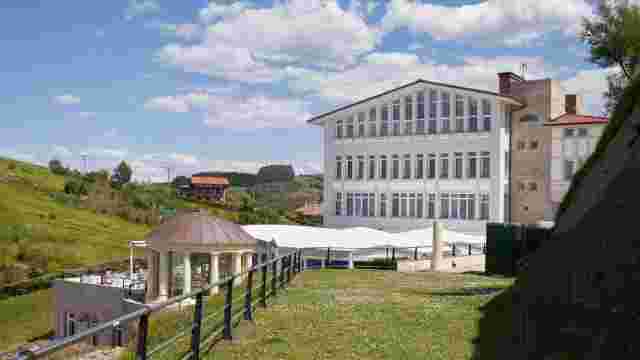
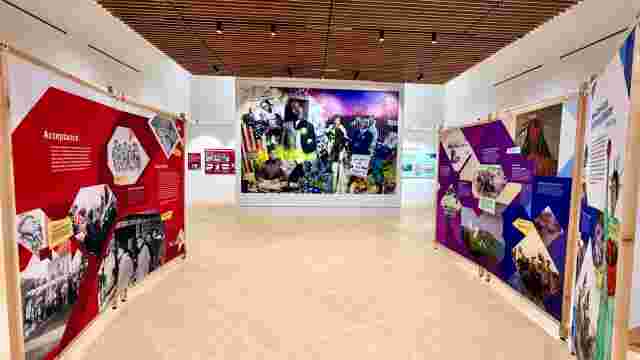
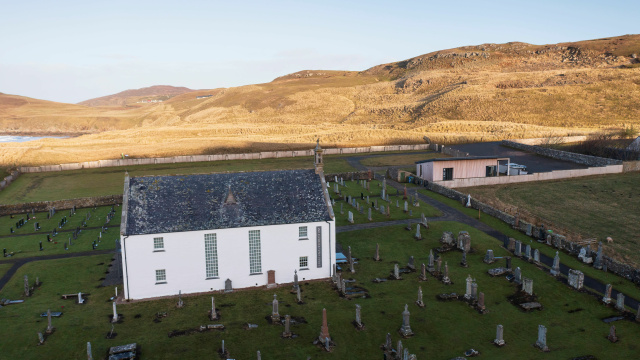
Strathnaver Museum in the picturesque coastal village of Bettyhill offers a powerful and immersive experience looking at 8,000 years of life in northwest Sutherland with a special focus on the Highland Clearances. Housed in a beautifully restored former church, visitors can explore a recreated 19th century blackhouse and a rich collection of artifacts including Pictish Stones, Bronze Age relics and Clan Mackay memorabilia. Our museum is run by a dedicated team of volunteers, whose passion and local knowledge helps create a warm, authentic, engaging visitor experience and we offer a range of Welcome Talks, Curator Led Tours and Object Handling sessions for independent travellers and travel trade groups.
ABOUT US
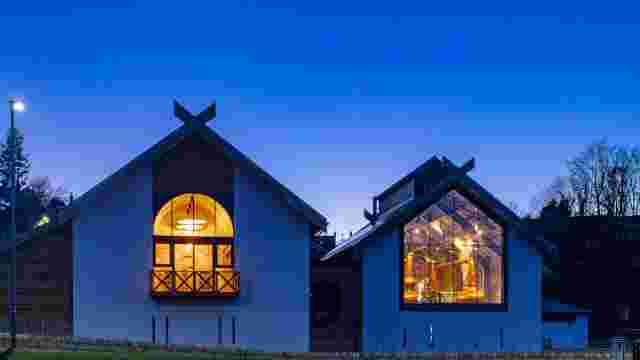
Strathnaver Museum is the Museum of the Highland Clearances, keeping alive the history, heritage and culture of the people of north Sutherland from a time when tragically thousands of folk were removed from their homes to make way for sheep farming. Home to Strathnaver Museum is the former Parish Church of Columba in Bettyhill, an 18th century church built in 1774 that played an important role in the story of the Highland Clearances. By the 1940s the church had fallen out of use and it lay empty and without a purpose until 1962 when after a decade of hard work by a dedicated group of volunteers, led by historian Dr Ian Grimble, it became a community asset. The local communities mission was to save the church from ruin, preserving its history for future generations and the local people set about building a collection of artefacts and restoring the church to be used as a museum. Their vision was that tourism could be a force for good and their mission was to create a museum that would give the local community a voice in telling their own story while bringing jobs, social, educational and economic benefits to the local area. Our largely volunteer run museum opened its doors for the very first time in 1976 then underwent a £2.2 million refurbishment in 2022 and remains a fully accredited, locally run museum, at the heart of the local community.
OUR IMPACT
At Strathnaver Museum we care about our visitors, our community and our natural environment. We are committed to safeguarding our historic buildings, preserving both the historic and natural environment of our museum for the benefit of future generations, the local community and visitors to the area. The museum has encouraged tourism to the area which has revitalised, sustained and boosted the local economy. By coming to the museum visitors are contributing to the preservation of the area’s history and the conservation of our buildings and collections. We are committed to bringing social, educational and economic benefit to the local area and the museum benefits the local community in many ways. Our vision is for Strathnaver Museum to become a world-class visitor attraction accessible to everyone and without barriers. Fairness, diversity, equality and inclusion are at the forefront of everything we do and accessibility led the design process when our museum was refurbished in 2022. In 2023 we were also awarded a Silver Green Tourism Award and we continue to make positive improvements with the aim of achieving a Gold Award in the future.
DETAILS
To learn more, contact: fiona@strathnavermuseum.org.uk
What are your minimum and maximum group sizes?
12-30
Do you require visitors to pre-book?
Yes
Do you have group rates?
Yes
Do you pay commissions to travel advisors?
Yes
What languages do you offer your services in?
English
When are you open?
We are open, Monday – Saturday 10am – 5pm from 1st April – 31st October, Access to the museum can also be arranged out of hours and during the closed season by prior arrangement with the museum manager.
What accommodations do you make for people living with disabilities?
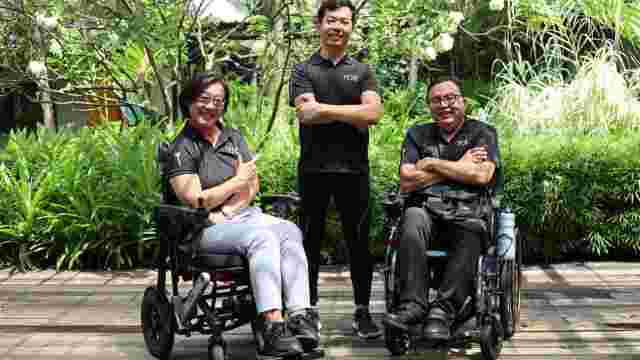
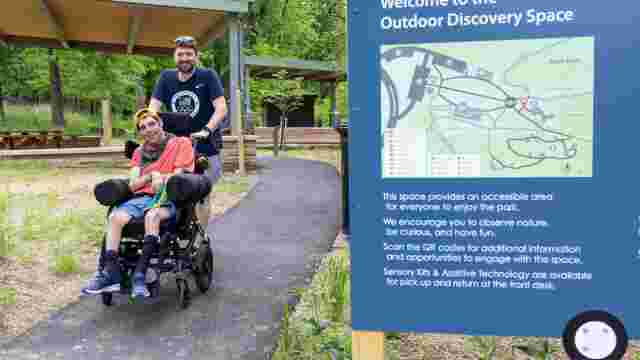
At Strathnaver Museum we want to offer a welcoming and inclusive visitor experience for everyone. If you're planning a visit and have specific accessibility needs it may be helpful to contact the museum prior to your visit so that we can best support you during your visit.
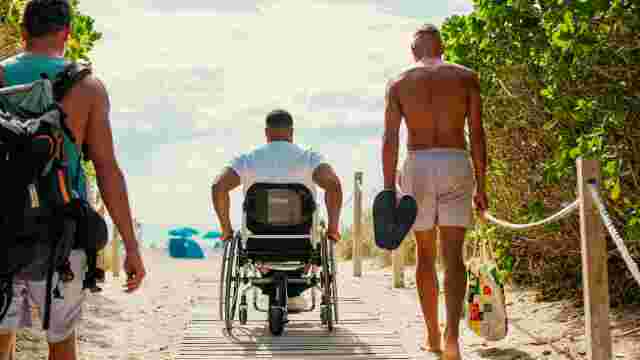
Whilst most of the museum is fully accessible there are some key areas in the 18th century church that are not due to the historic nature of the building. To allow our visitors to explore any exhibits that are not physically accessible we do have audiovisual virtual guides and 360° panoramas available. Transcripts are available for all our audio displays, and a hearing loop is also installed. Seating is available throughout the museum and our staff and volunteers are always on hand to assist where we can. Accessible toilets are available in all of our buildings and accessible parking is also available on site. Further detailed information can be found in our Accessibility Guide.