Guyana Tourism Authority
ABOUT
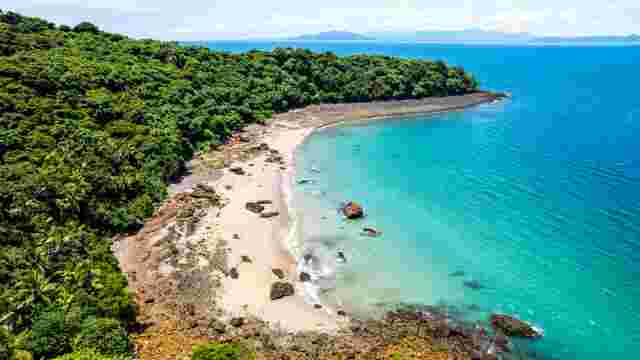
Guyana is a small, English-speaking country on the northern coast of South America, where the Atlantic Ocean meets the Caribbean Sea. About the size of Idaho, it remains one of the least densely populated countries in the region, with 90% of the population living along the coast - leaving much of the interior untouched and ideal for exploration.
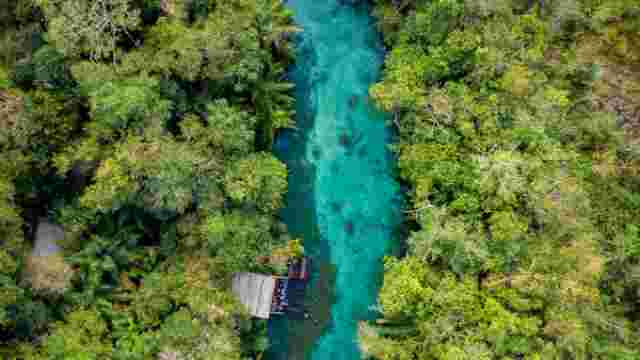
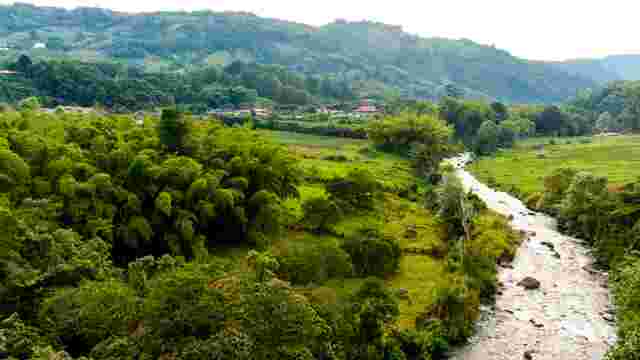
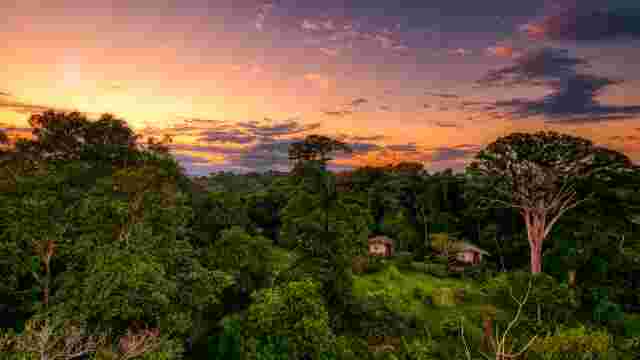
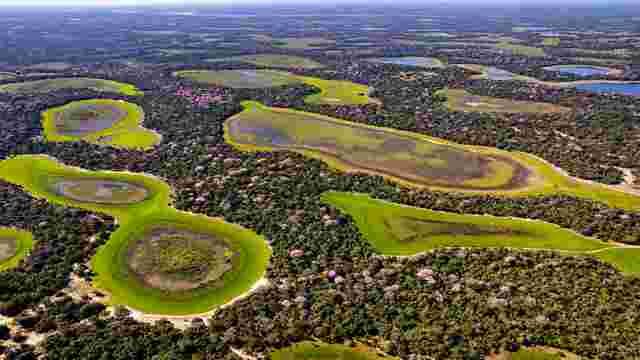
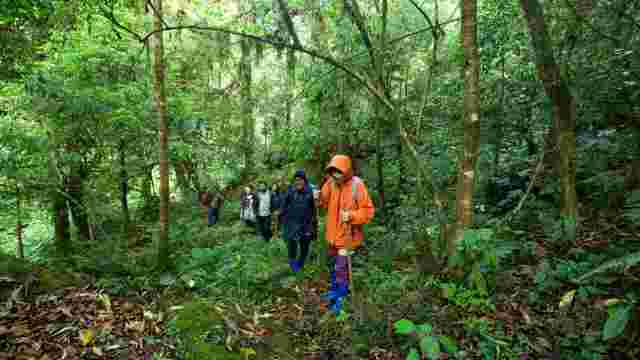
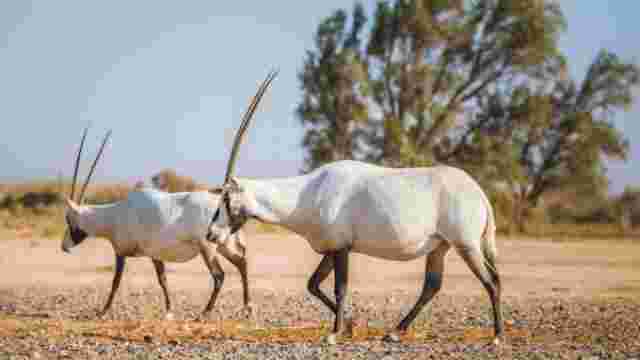
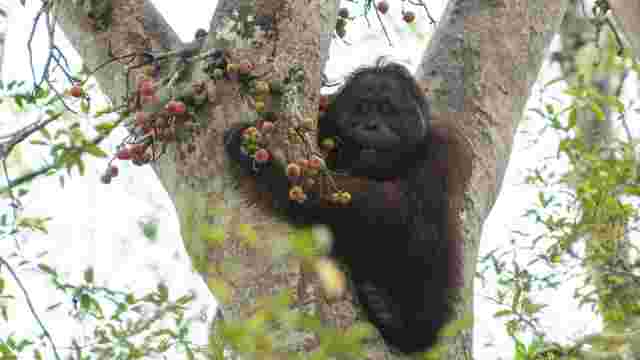
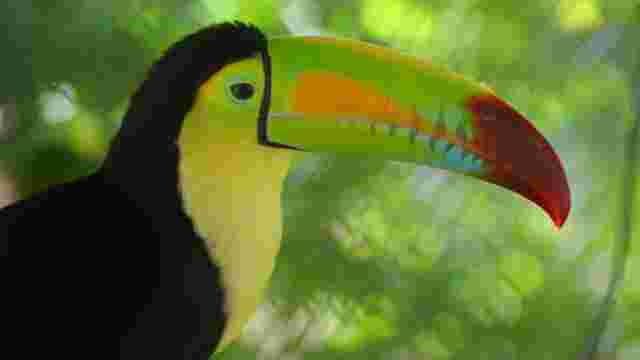
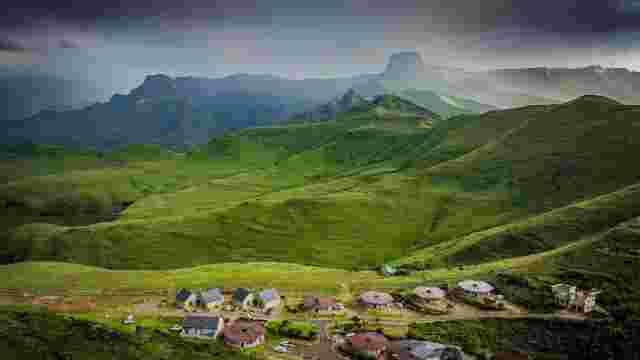
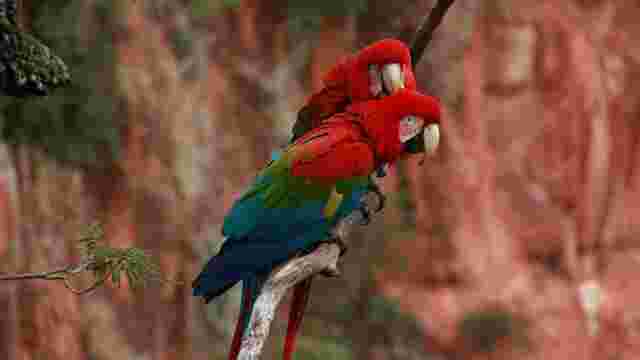
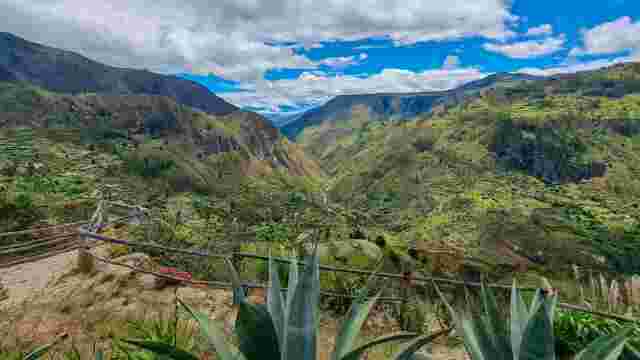
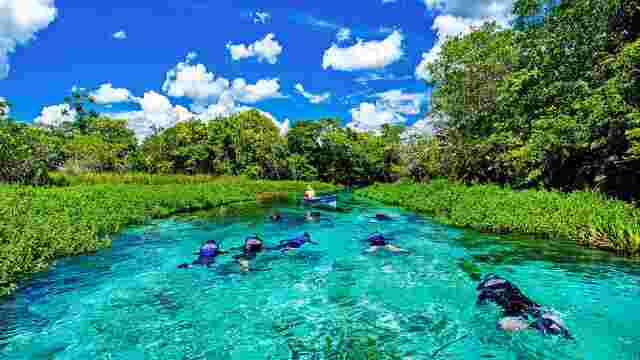
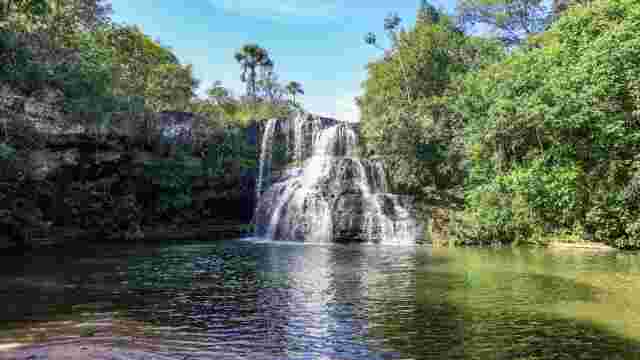
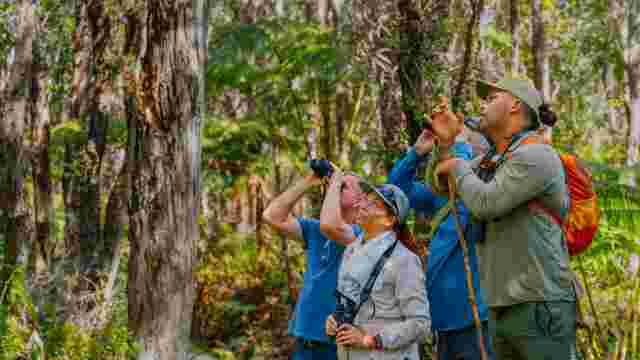
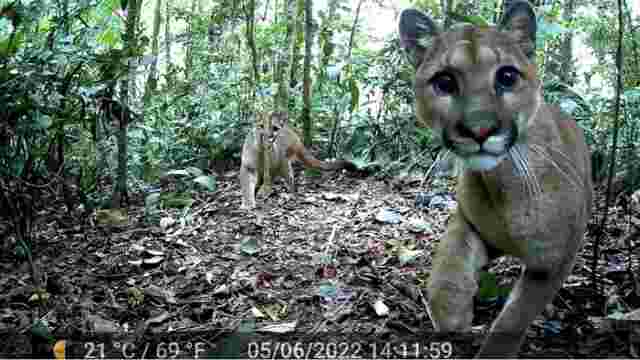
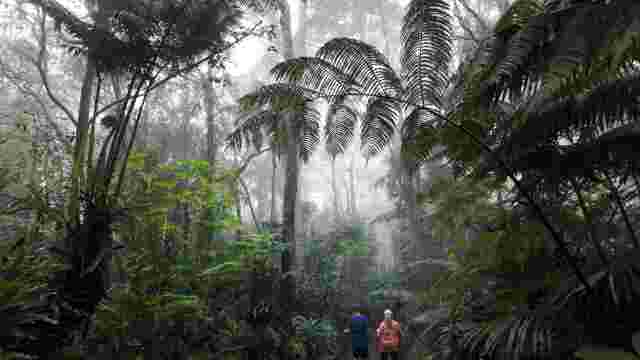
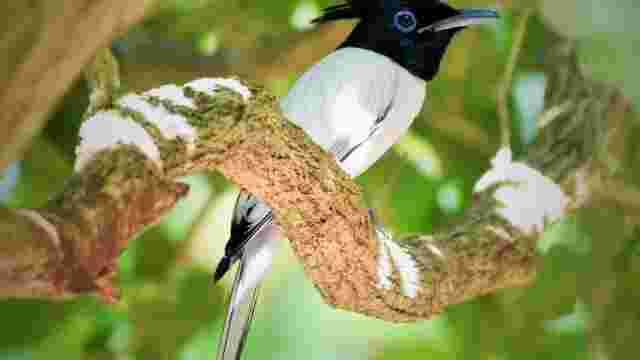
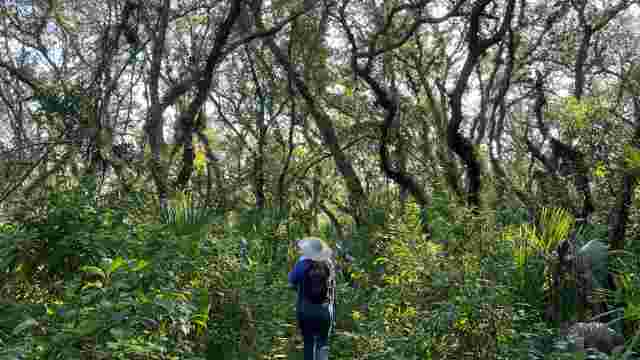
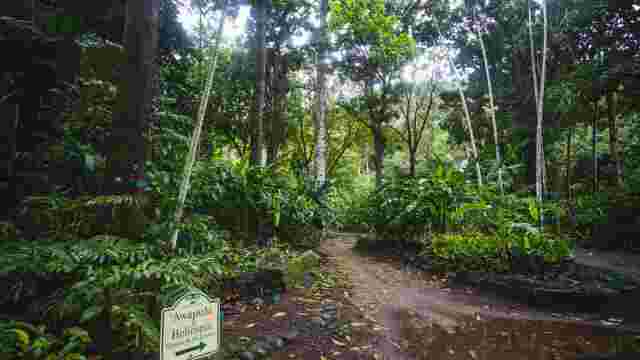
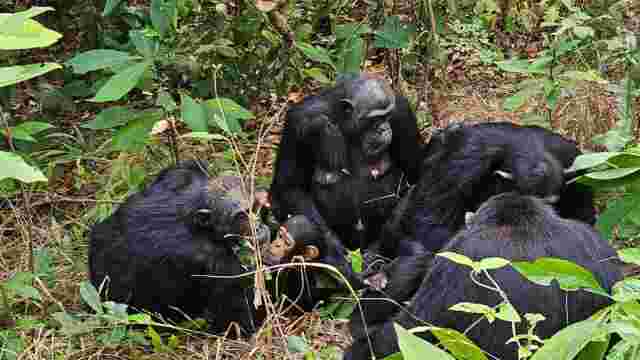
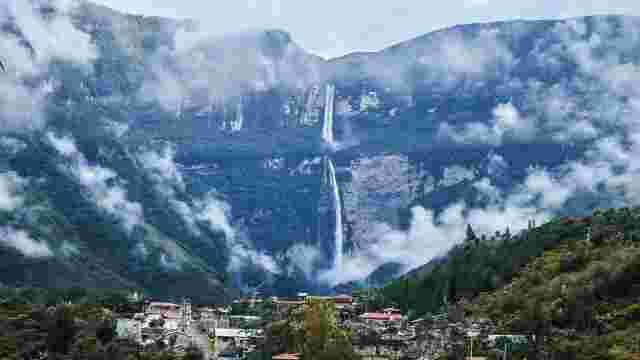
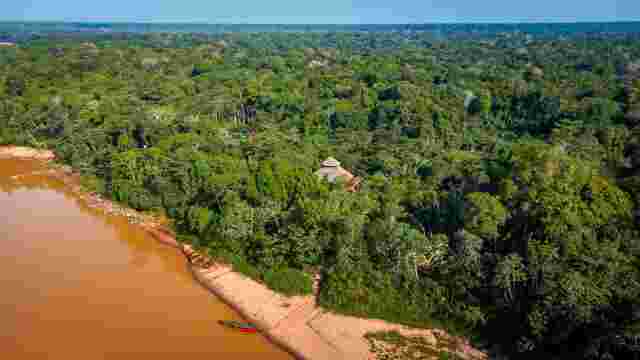
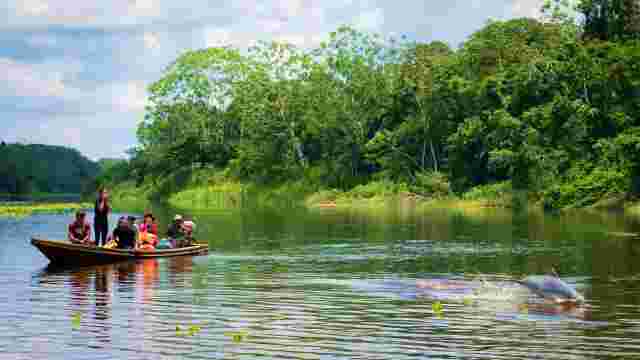
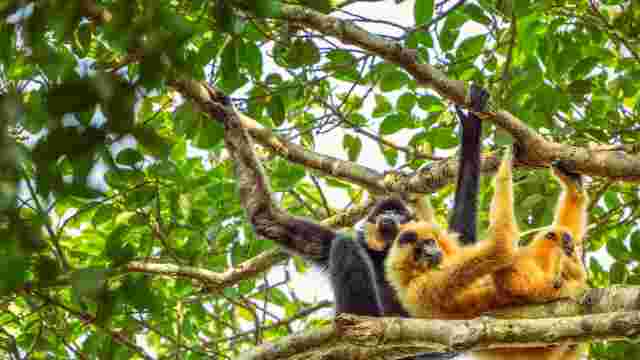
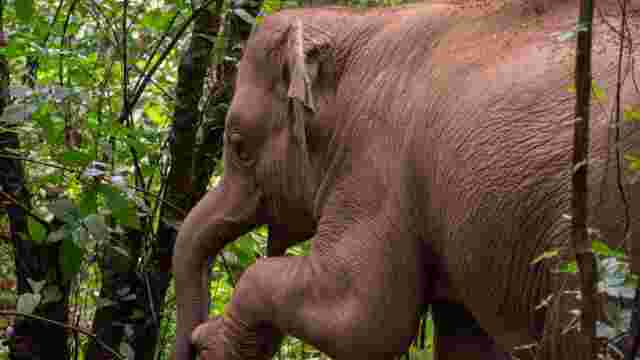
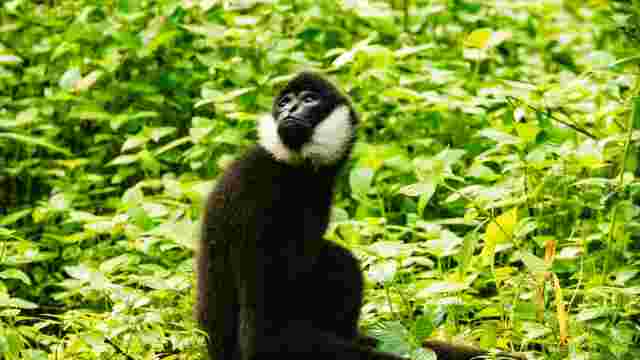
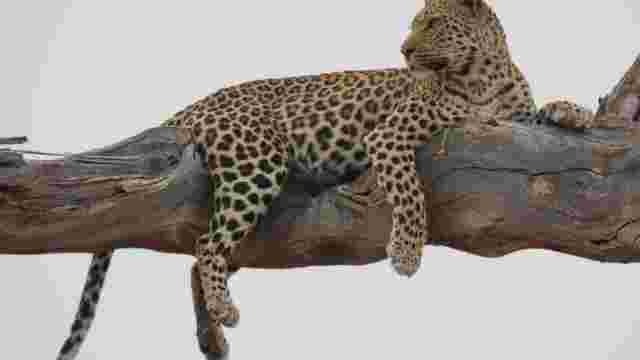
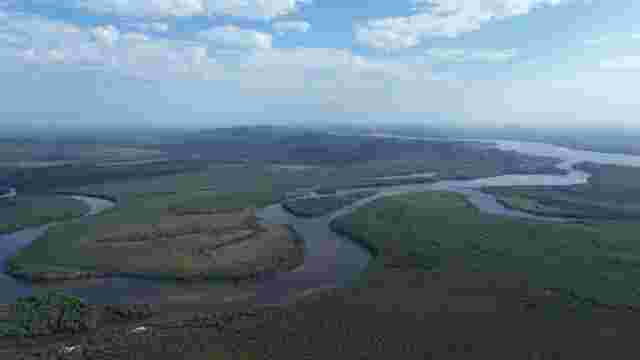
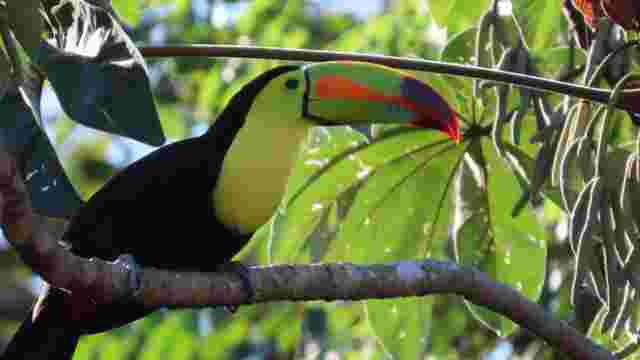
Its landscapes are rich and varied—rainforests, waterfalls, rivers, savannahs, and mountains - home to incredible biodiversity. Known as "The Land of the Giants," Guyana shelters iconic species such as the jaguar, giant river otter, arapaima, and harpy eagle. With over 820 bird species, it is also a top destination for birdwatchers.
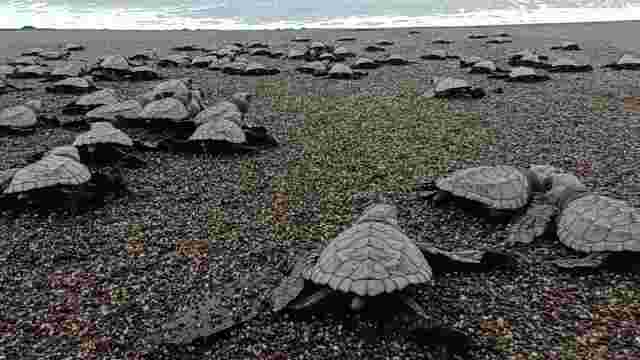
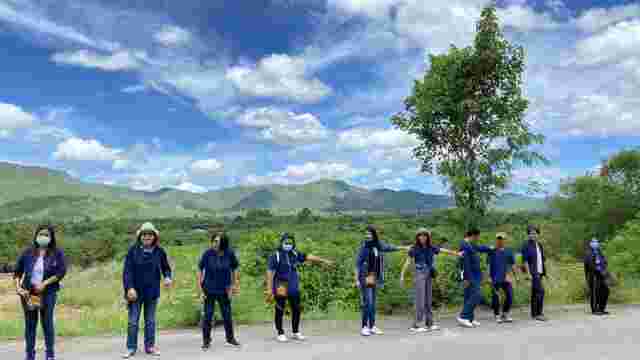
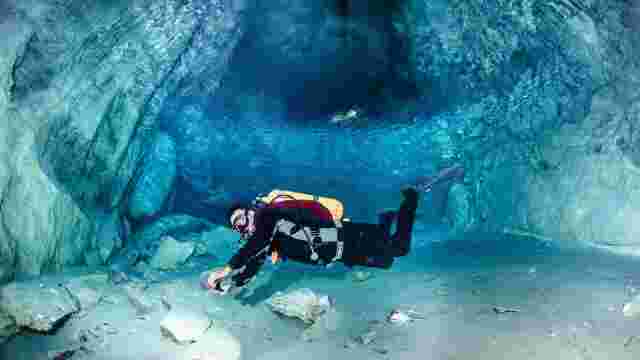
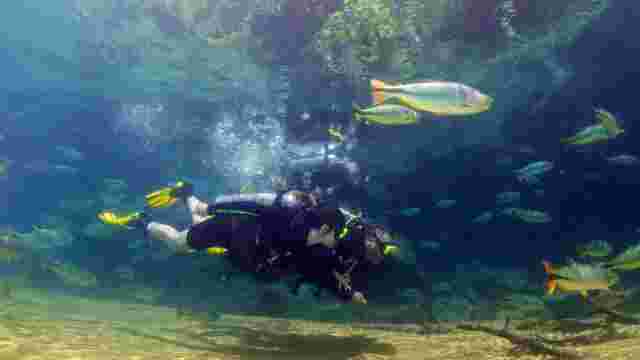
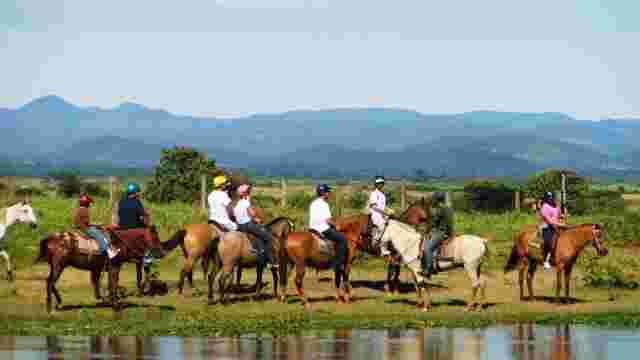
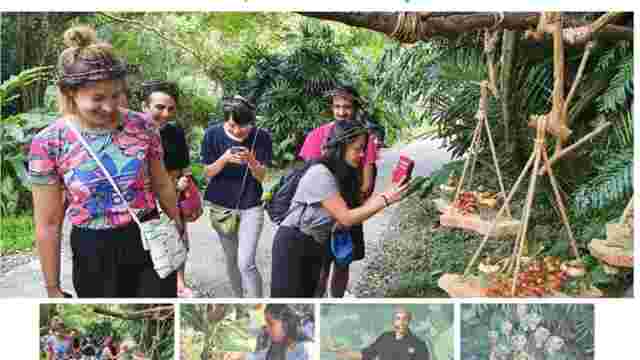
Tourism here centers around five key pillars: Active Exploration, Birding, Conservation & SAVE Travel, Culture & Heritage, and Nature & Wildlife. In the past four years, 64 unique experiences have been developed across the country, many in partnership with Indigenous communities.
Air connectivity has expanded significantly, with new 2024 routes from United Airlines, Avianca, Skyhigh Dominicana, LIAT 2020, Caribbean Airlines, and InterCaribbean Airways. Guyana recorded a record 371,272 visitor arrivals in 2024 - a 16.3% increase over 2023.
To meet rising demand, hotel capacity is growing. Recent openings include Aiden by Best Western (138 rooms) and the Royal International Hotel & Shopping Mall (241 rooms). More than 1,000 additional rooms - from brands such as Courtyard by Marriott, Four Points by Sheraton, and AC Marriott - are expected by the end of 2025.
With its wild beauty, warm hospitality, and growing accessibility, Guyana is fast becoming one of the region’s top emerging destinations. Learn more at www.guyanatourism.com or follow @DiscoverGuyana on Facebook, Instagram, TikTok, and X.
IMPACT
Guyana is globally recognized for its vast rainforests, rich biodiversity, and commitment to sustainability. With over 85% forest cover and 8.4% of land protected, it’s a climate leader. In 2022, it became the first country to earn jurisdiction-wide REDD+ carbon credits under the ART-TREES standard, with funds supporting conservation and community development.
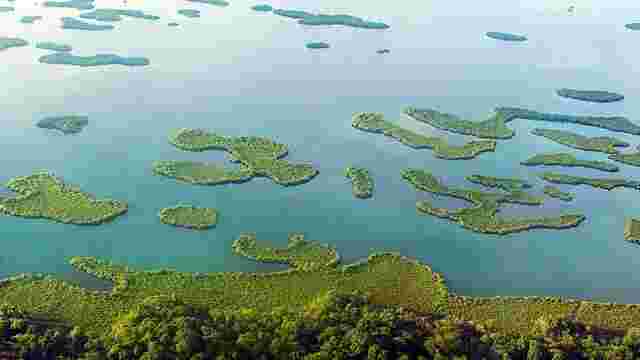
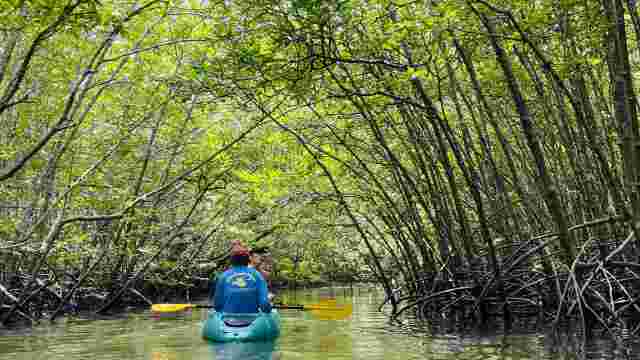
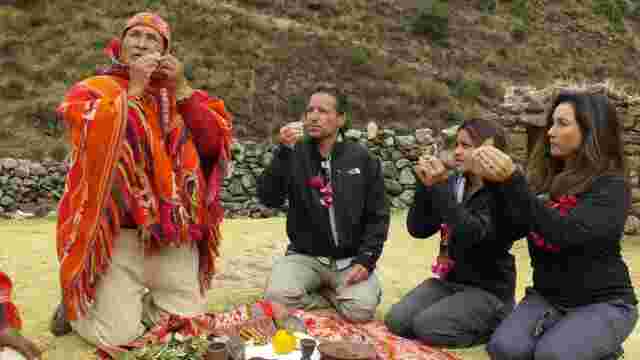
Indigenous communities play a vital role, managing large tracts of forest and benefiting from revenue-sharing and development through the Low Carbon Development Strategy (2030). The strategy also promotes clean energy, mangrove restoration, improved drainage, and aligns with global climate goals.
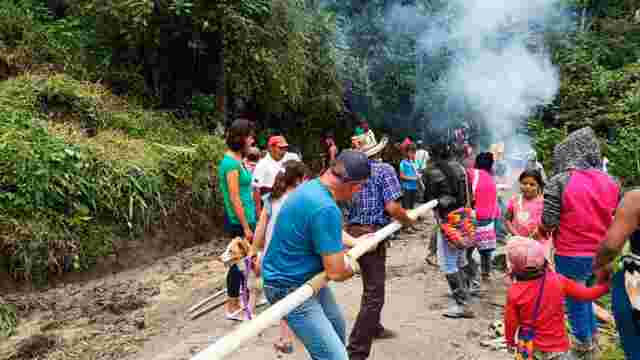
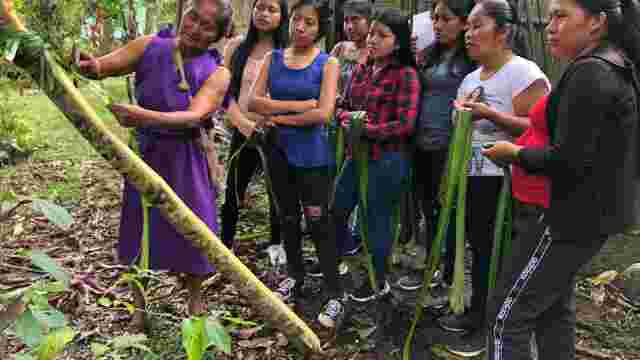
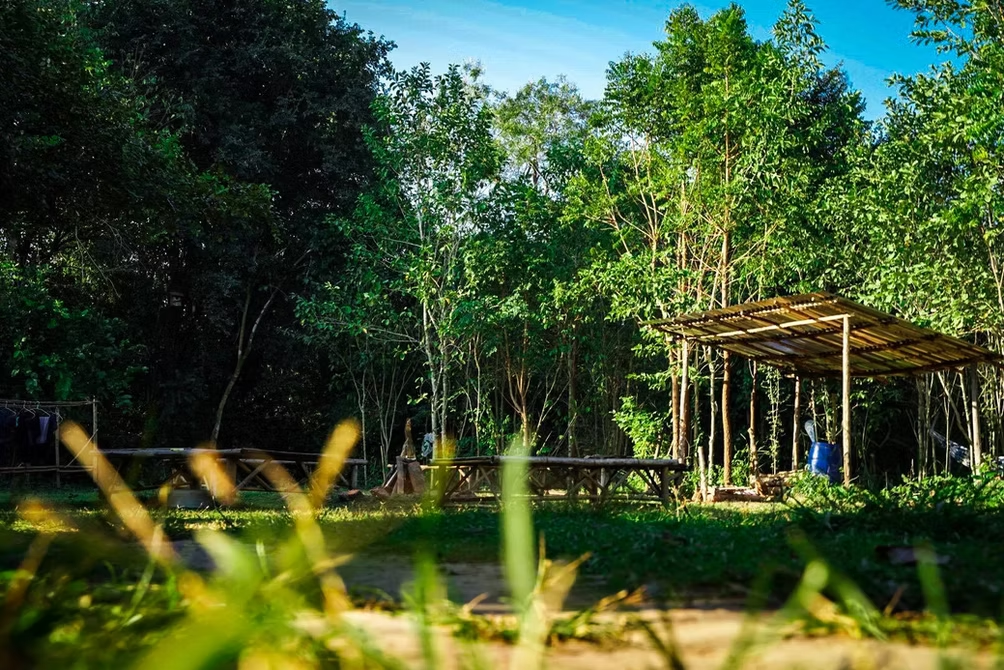
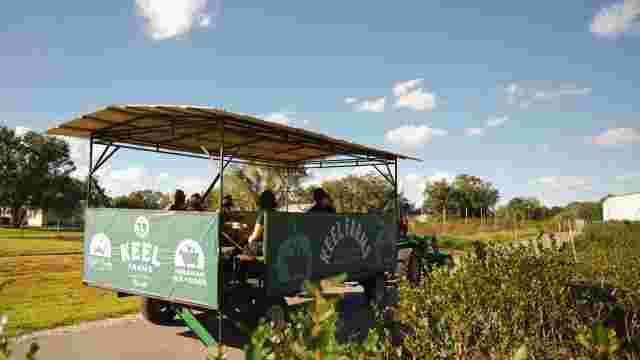
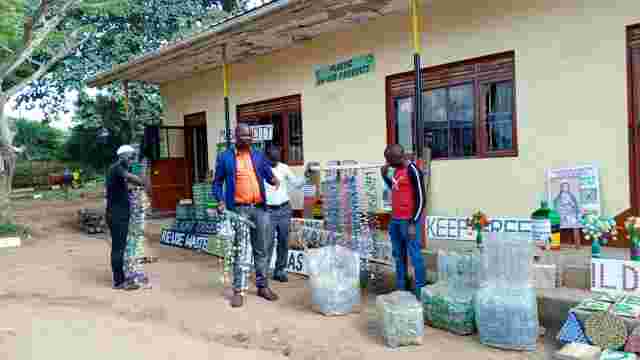
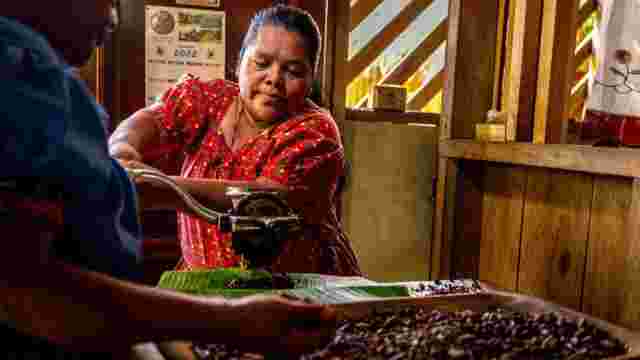
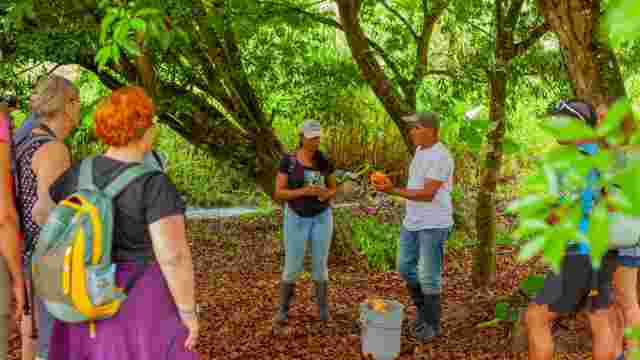
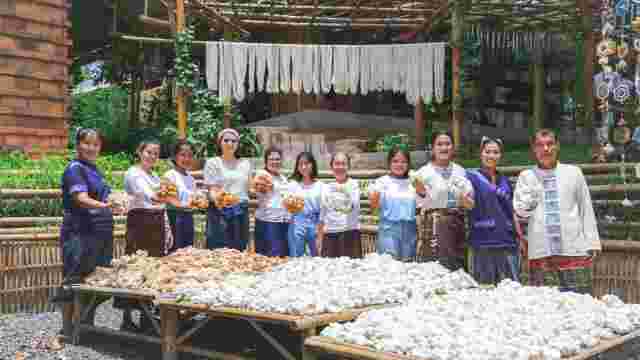
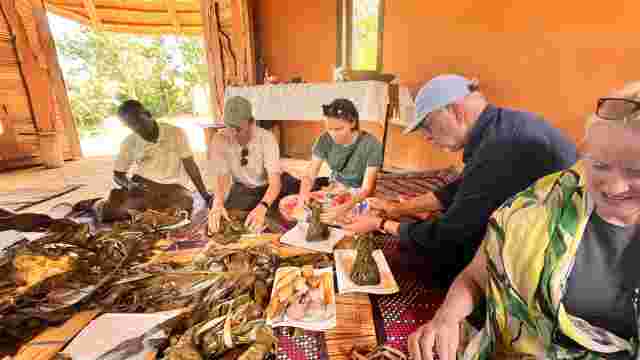
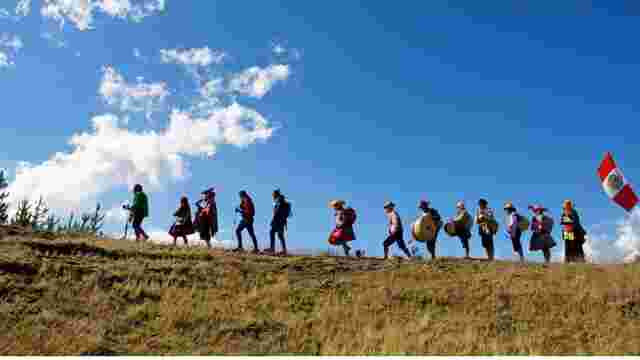
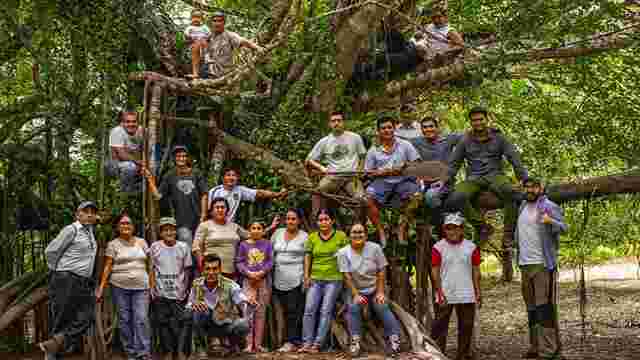
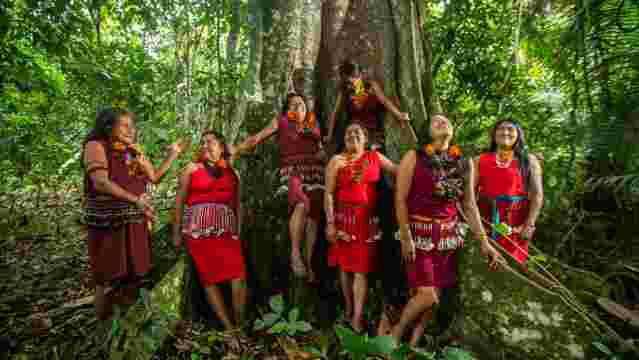
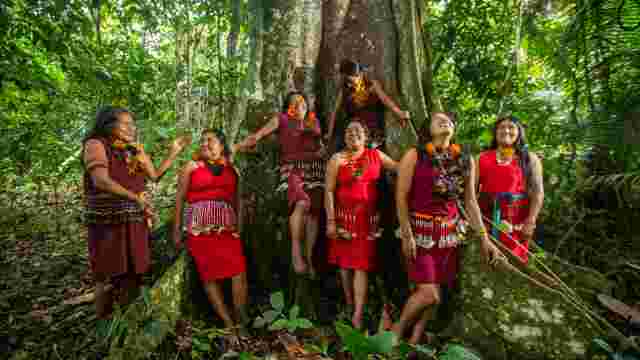
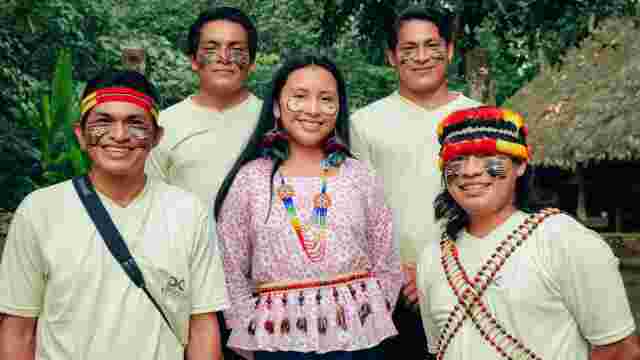
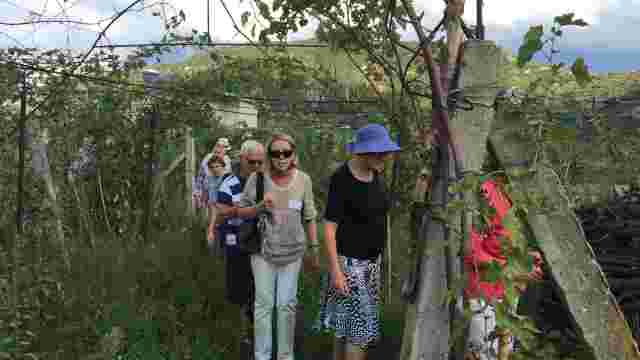
Community-led tourism is central to Guyana’s approach. Villages like Surama, Rewa, and Yupukari offer low-impact, nature-based, and cultural experiences that preserve heritage and directly benefit locals.
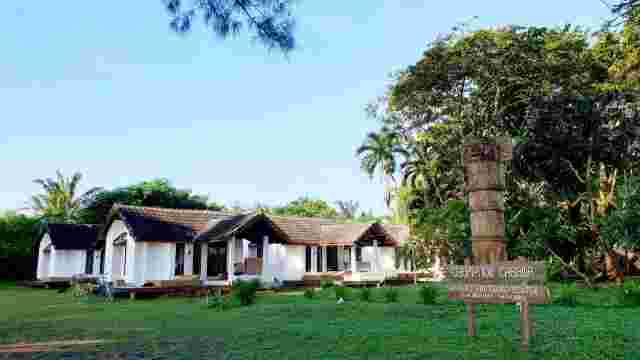
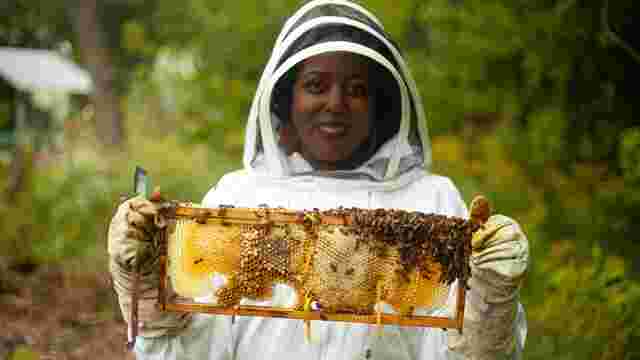
The Guyana Tourism Authority (GTA) supports these efforts through training, product development, and marketing, with a focus on women, youth, and underserved groups. Through partnerships with Green Destinations and the Global Sustainable Tourism Council, five ecolodges in the Rupununi are certified, with more to follow.
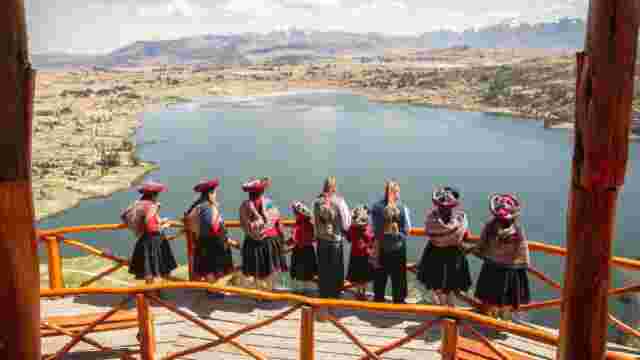
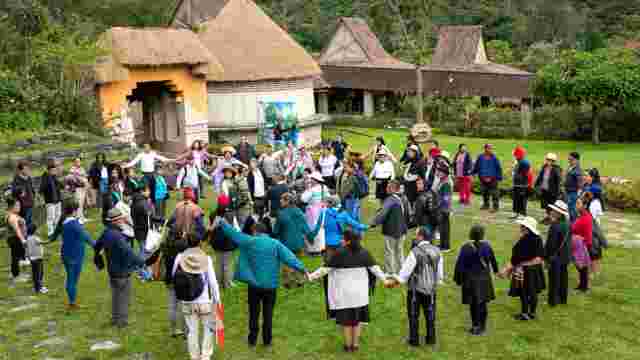
A proudly multicultural nation, Guyana supports Indigenous rights, cultural preservation, and inclusive growth. Visitors are encouraged to travel responsibly—respecting local customs, protecting the environment, and supporting community-owned experiences.
Guyana is globally recognised for its vast rainforests, rich biodiversity, and commitment to sustainability. With over 85% forest cover and 8.4% of land protected, it is a climate leader. In 2022, it became the first country to earn jurisdiction-wide REDD+ carbon credits under the ART-TREES standard, with funds supporting conservation and community development.
Indigenous communities play a vital role, managing large tracts of forest and benefiting from revenue-sharing and development through the Low Carbon Development Strategy (2030). The strategy also promotes clean energy, mangrove restoration, improved drainage, and aligns with global climate goals.
Community-led tourism is central to Guyana’s approach. Villages such as Surama, Rewa, and Yupukari offer low-impact, nature-based, and cultural experiences that preserve heritage and directly benefit locals.
The Guyana Tourism Authority (GTA) supports these efforts through training, product development, and marketing, with a focus on women, youth, and underserved groups. Through partnerships with Green Destinations and the Global Sustainable Tourism Council, five ecolodges in the Rupununi are certified, with more to follow.
A proudly multicultural nation, Guyana supports Indigenous rights, cultural preservation, and inclusive growth. Visitors are encouraged to travel responsibly - respecting local customs, protecting the environment, and supporting community-owned experiences.