Mato Grosso do Sul
About Our Destination
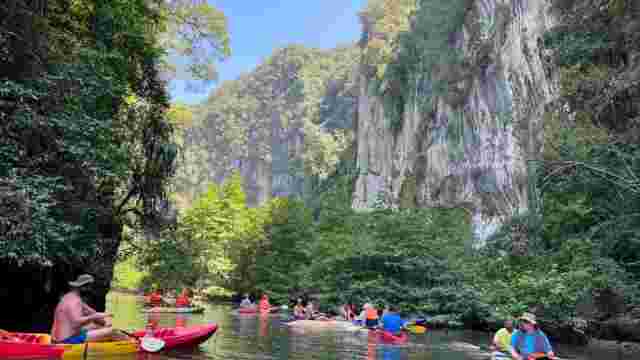
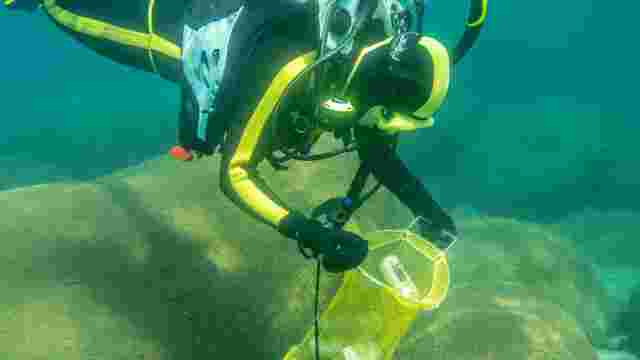
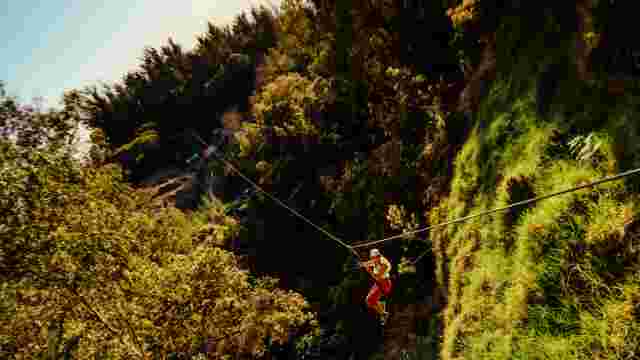
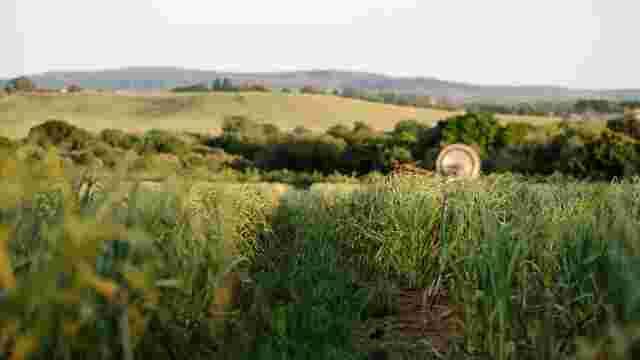
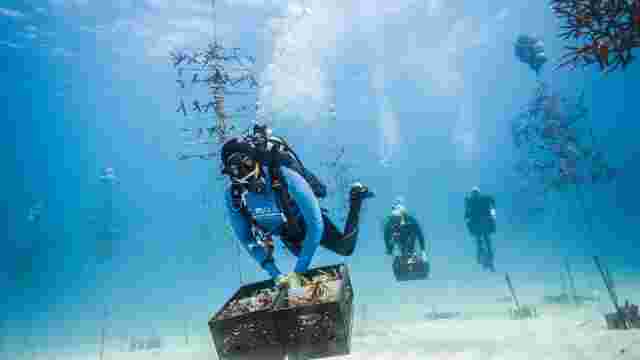
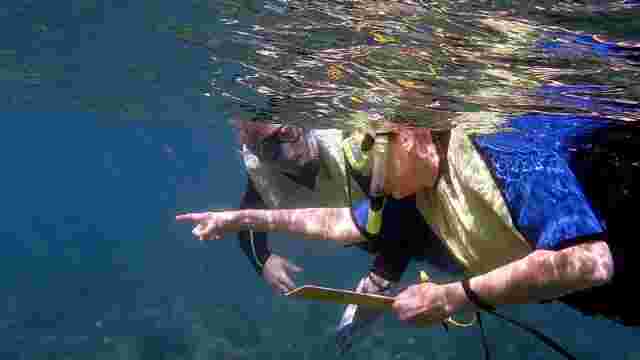
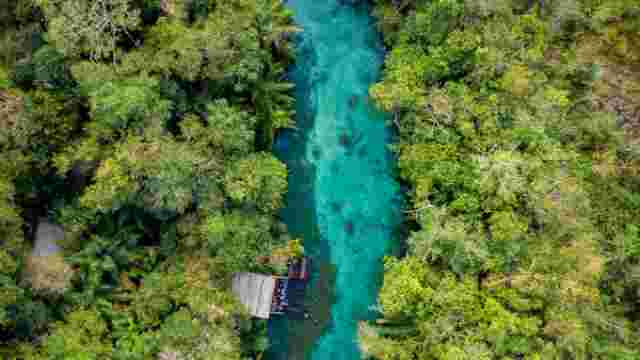
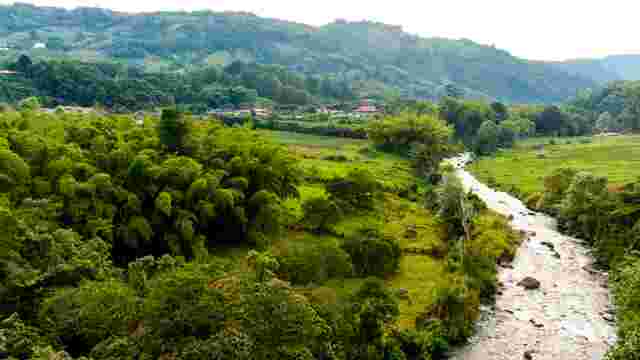
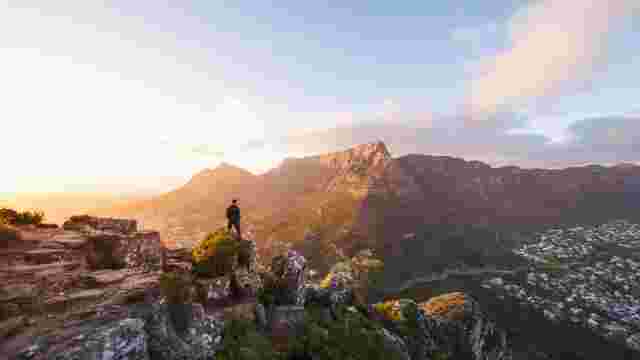
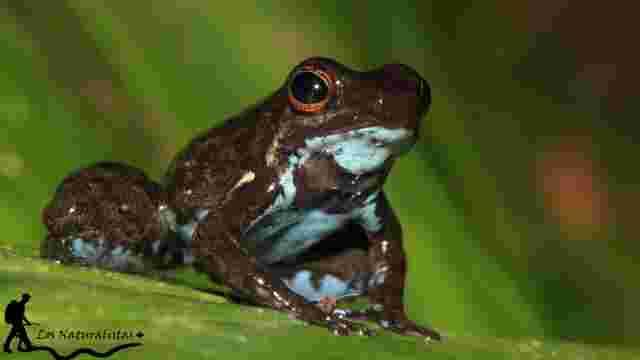
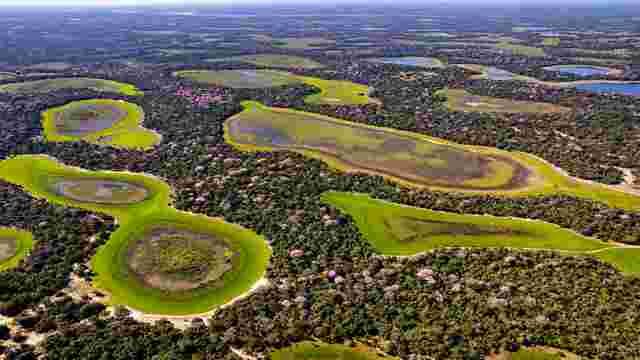
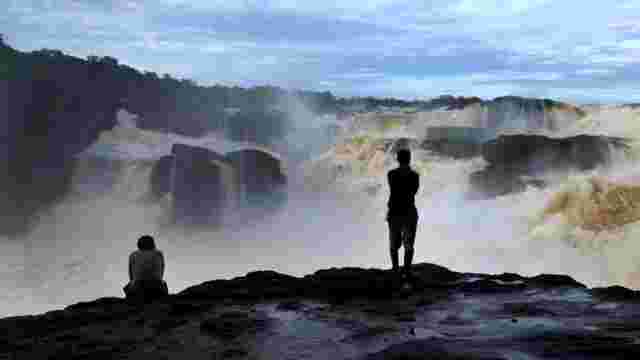
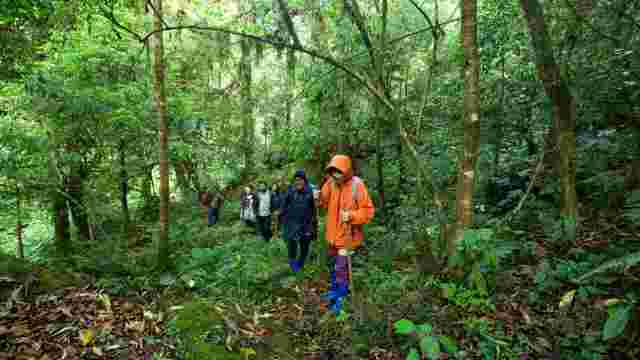
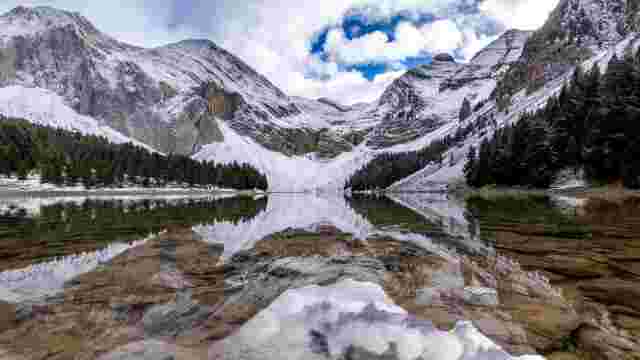
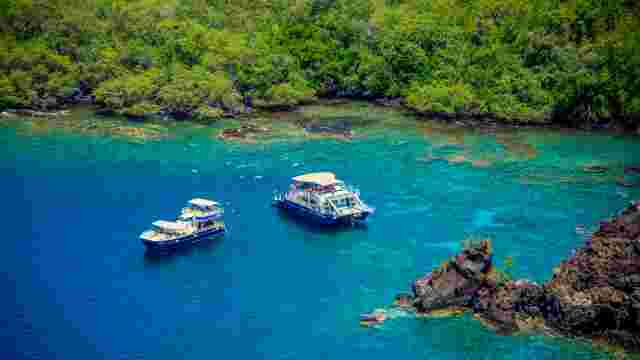
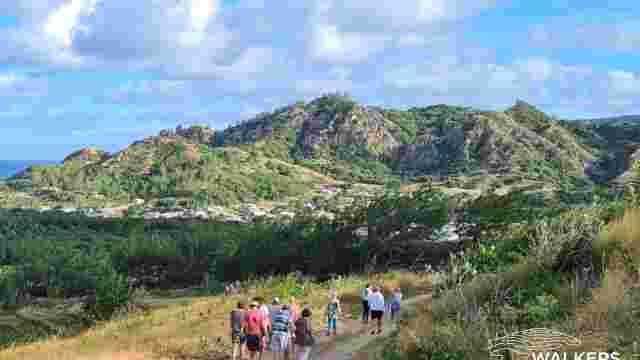
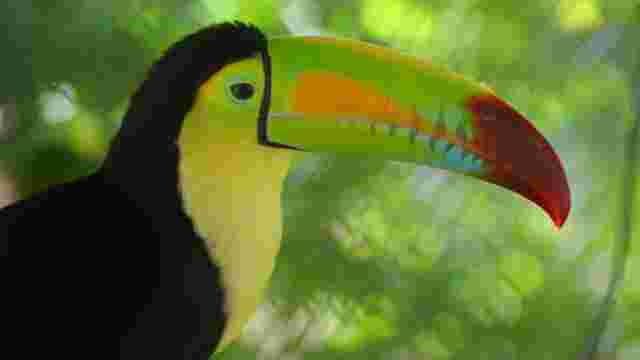
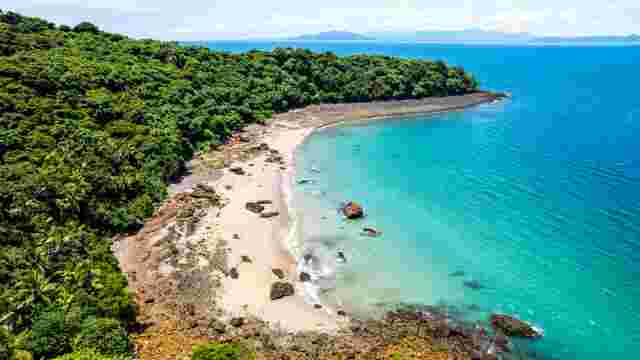
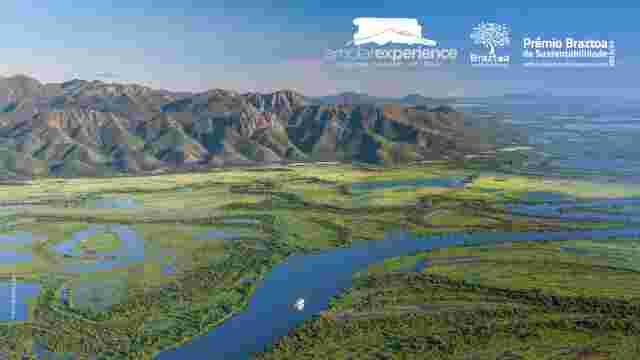
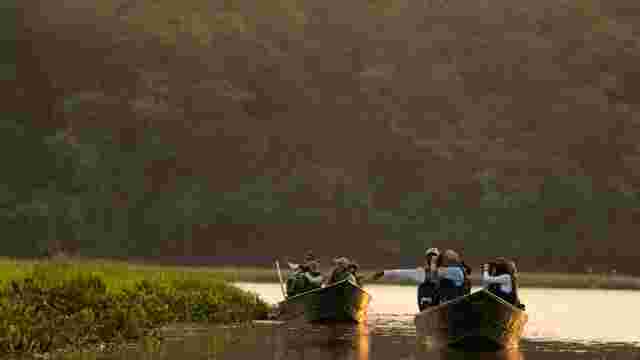
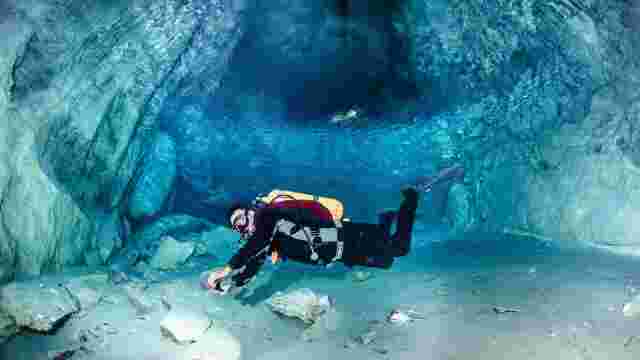
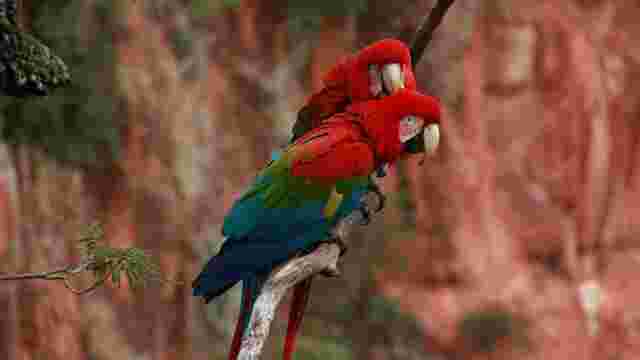
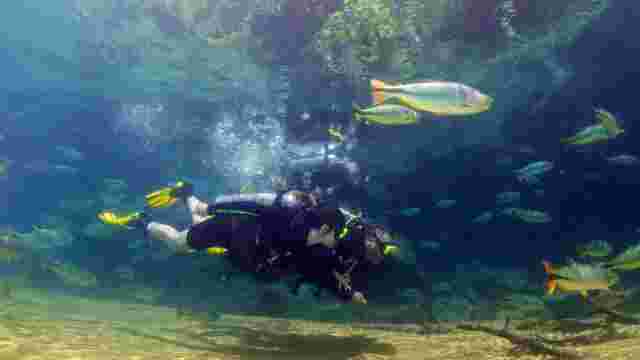
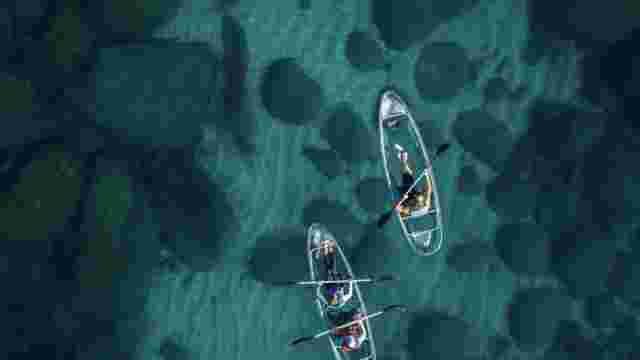
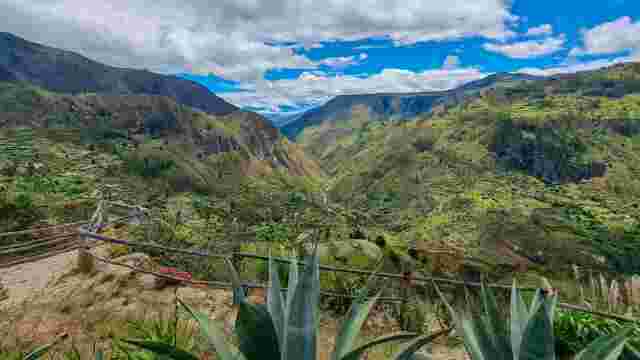
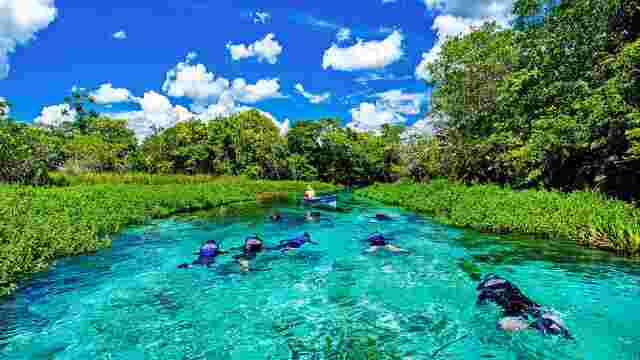
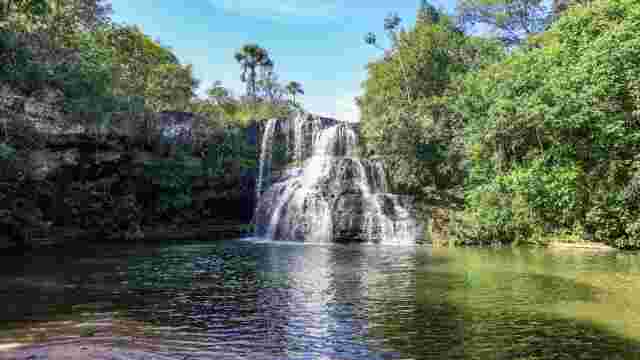
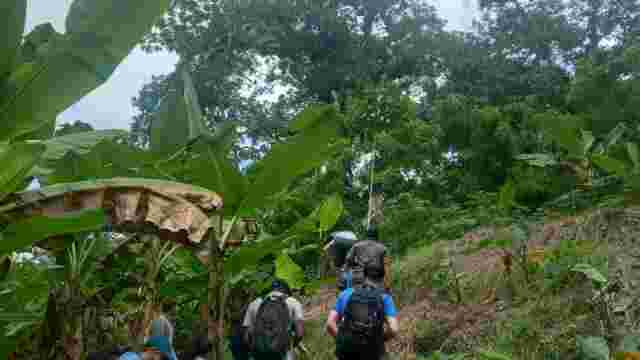
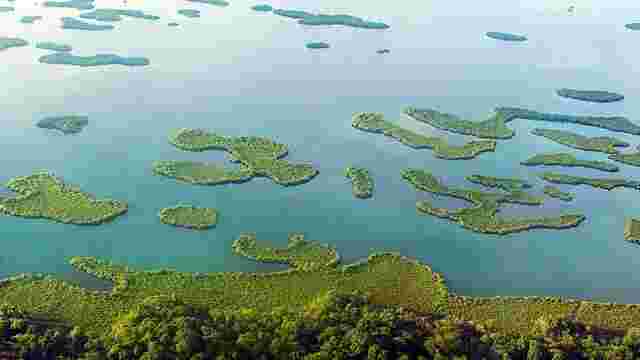
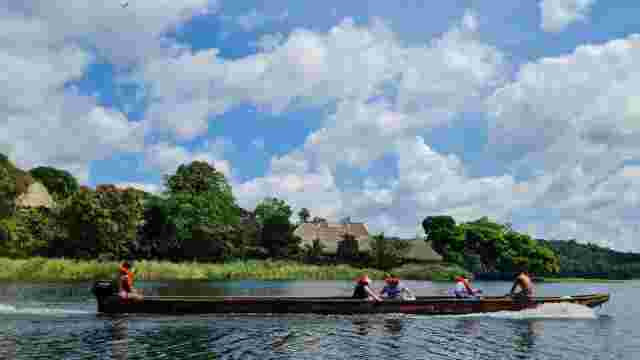
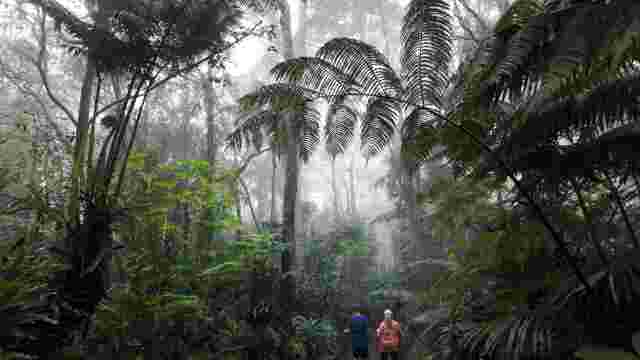
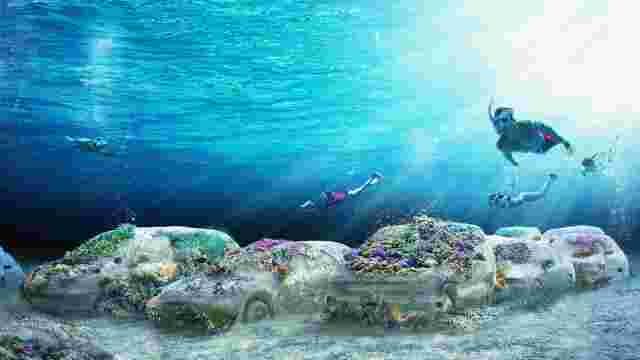
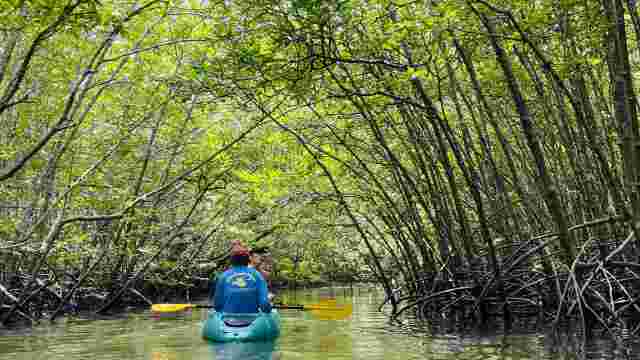
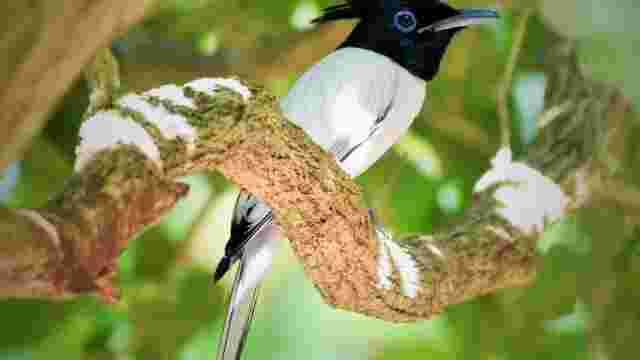
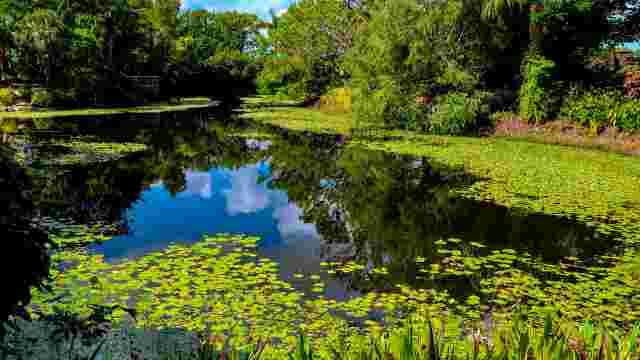
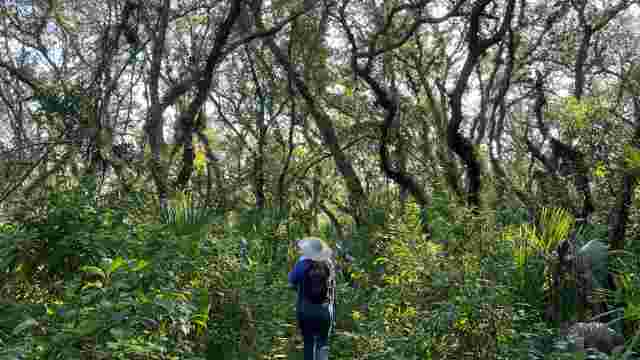
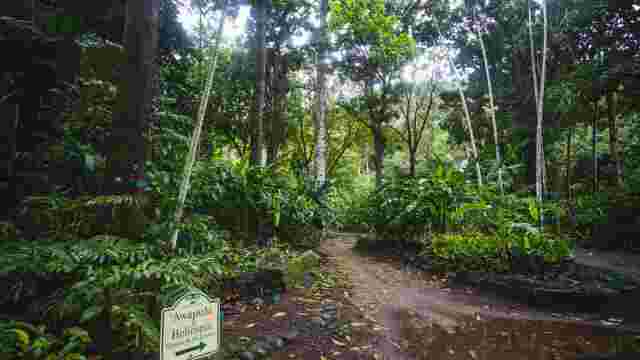
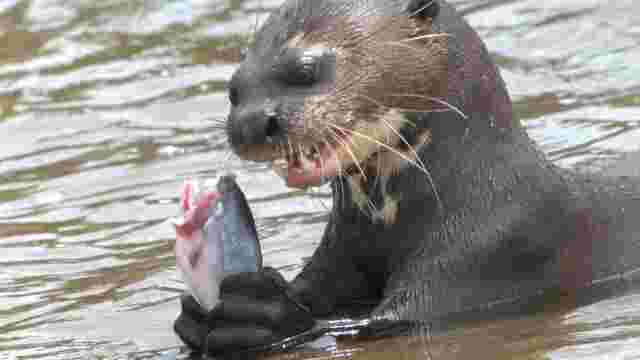
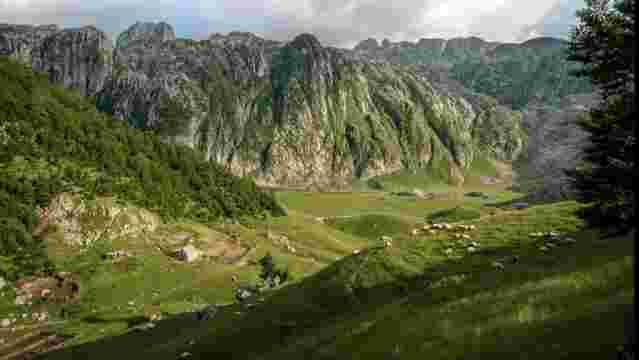
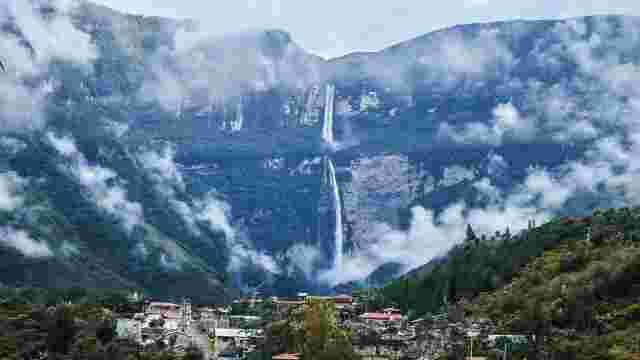
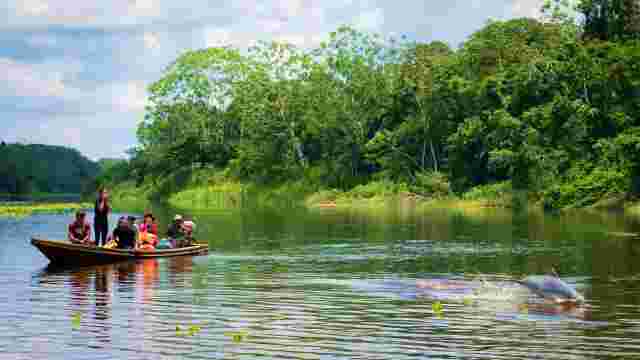
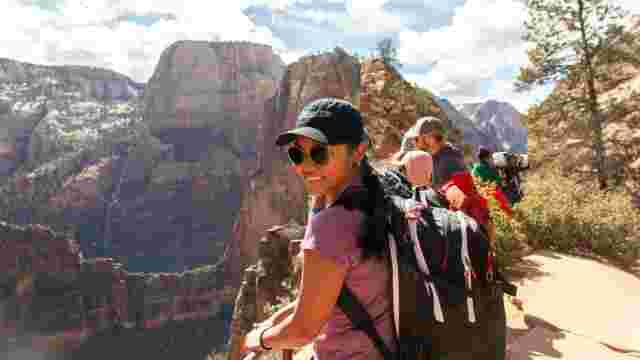
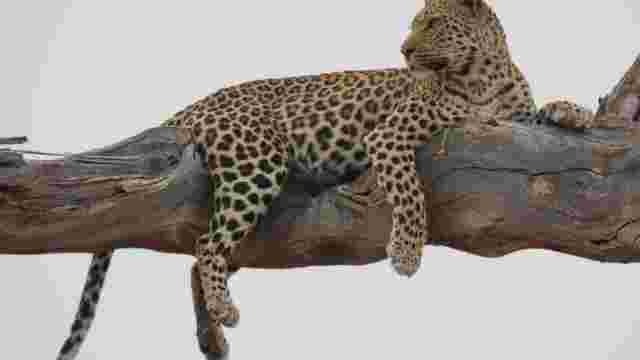
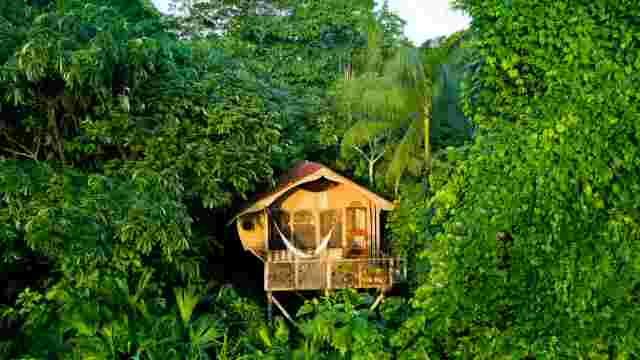
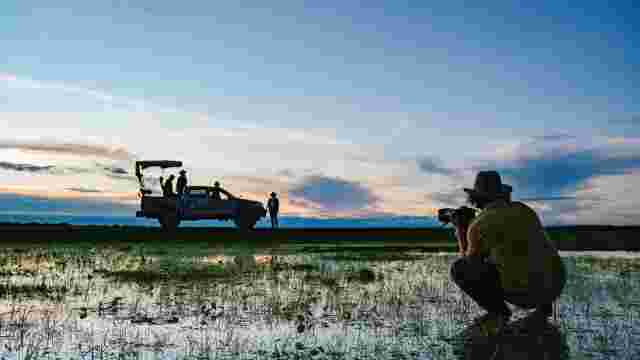
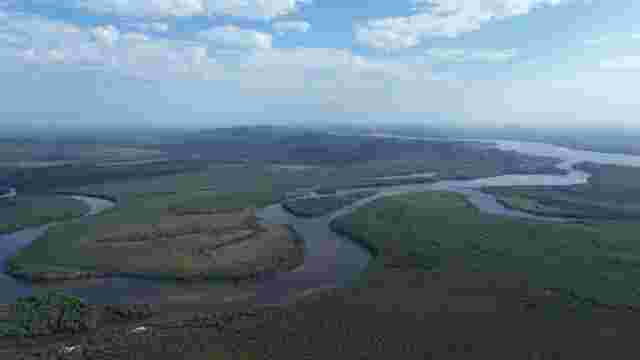
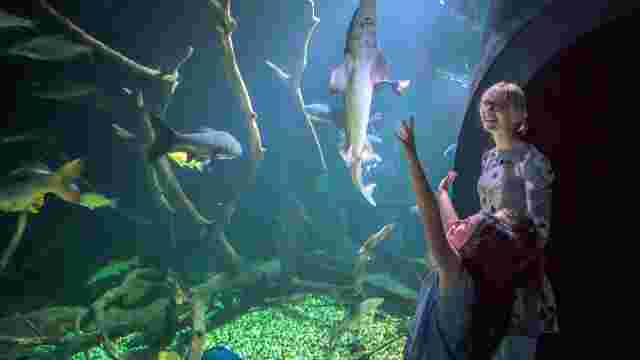
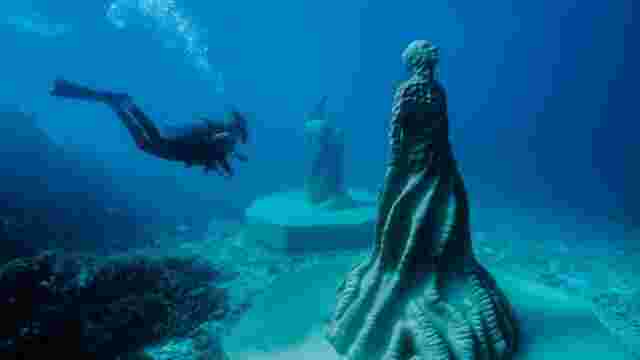
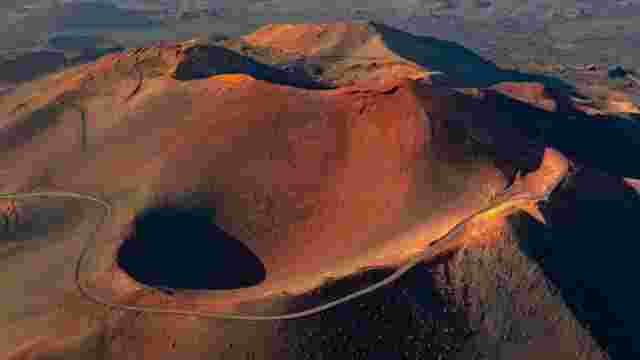
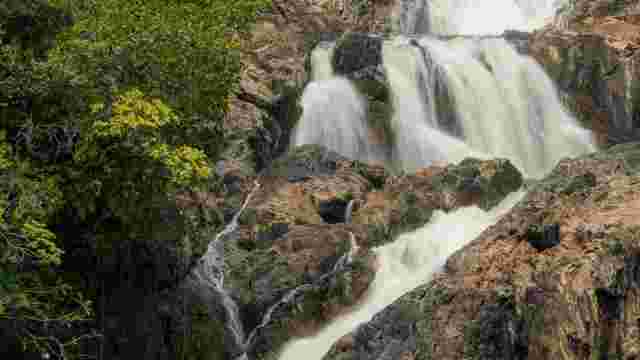
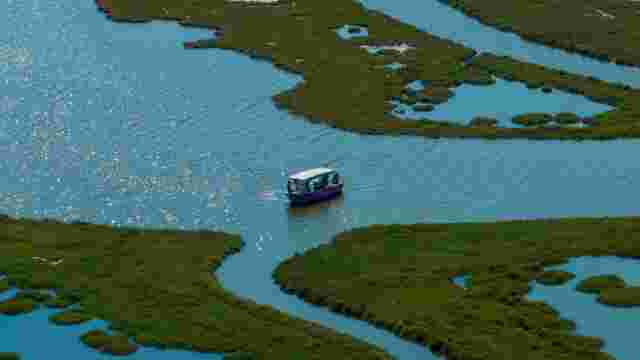
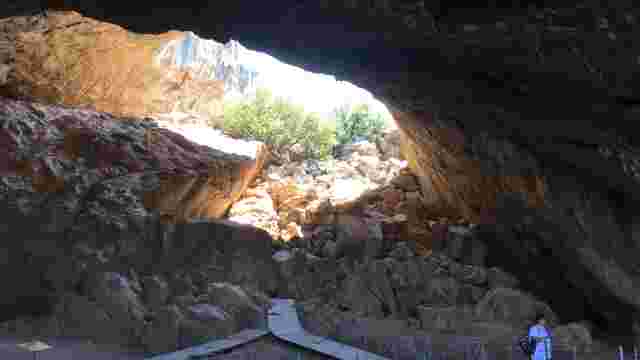
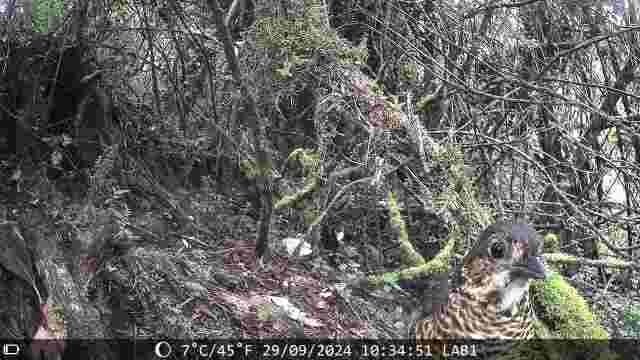
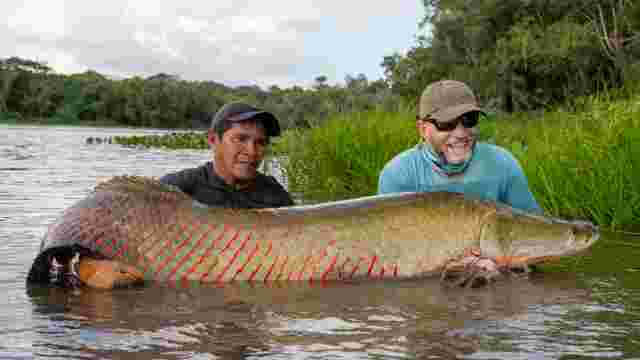
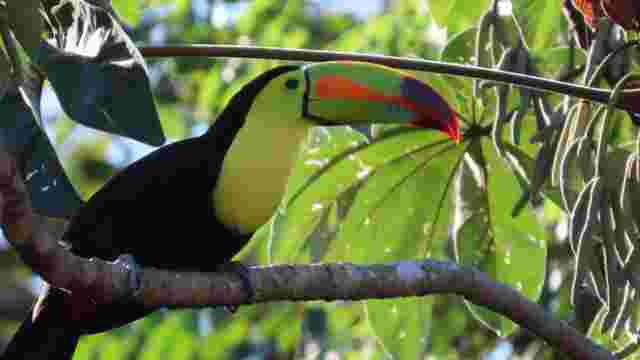
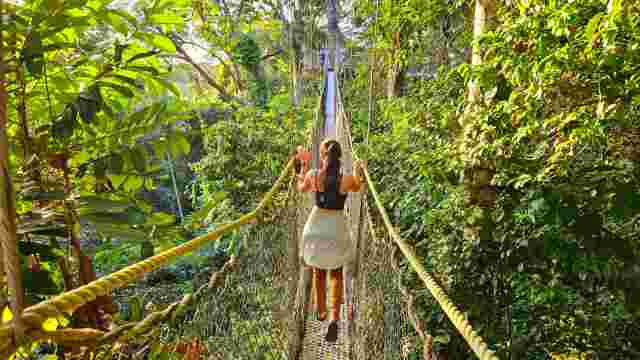
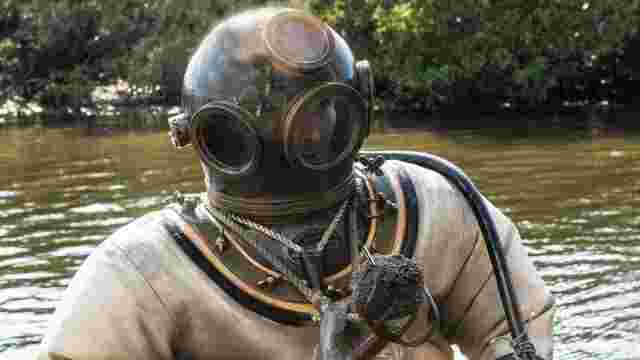
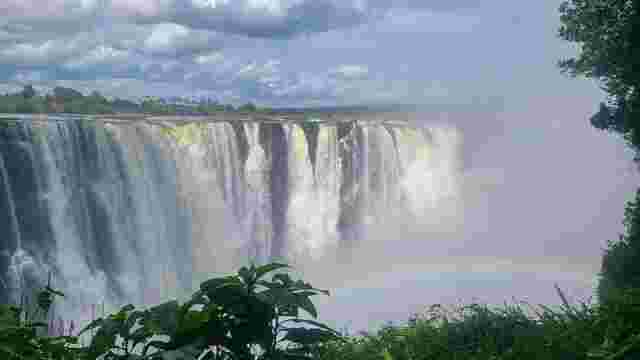
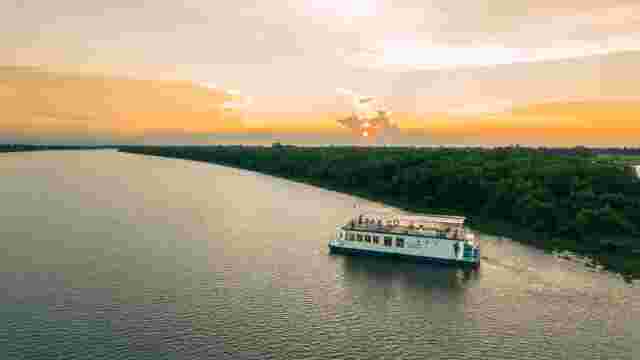
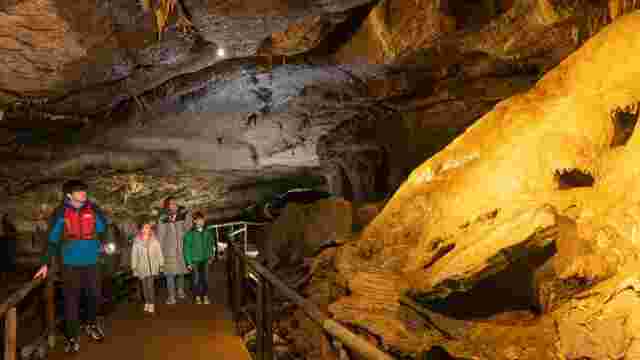
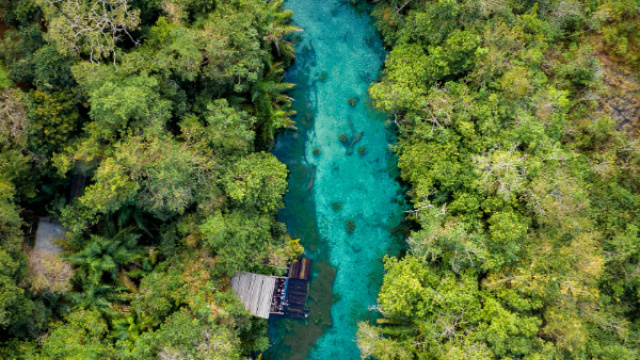
Nestled in the heart of Brazil's central-west region lies the enchanting state of Mato Grosso do Sul, a treasure trove of natural wonders awaiting discovery. From the crystalline rivers and cascading waterfalls of the Bonito region to the rugged peaks and dramatic canyons of the Serra da Bodoquena, this captivating landscape offers an array of experiences for nature enthusiasts and adventurers alike. For those seeking an immersive encounter with nature, the Bonito region beckons as a paradise for ecotourism enthusiasts. Its crystal-clear waters invite exploration through snorkeling, diving, and swimming, revealing a vibrant underwater world teeming with life. Hiking trails wind through lush forests, offering glimpses of colorful bird species flitting amidst the canopy. Meanwhile, the Serra da Bodoquena stands as a testament to the awe-inspiring power of nature, with its jagged peaks and hidden caves waiting to be explored. Waterfalls cascade from towering cliffs, their soothing melodies echoing through the canyon walls, while rich biodiversity thrives in every corner of this natural wonderland. Yet, it is perhaps the iconic Pantanal that truly captivates the imagination, standing as the world's largest wetland and a haven for wildlife enthusiasts. Here, amidst the sprawling marshlands and winding waterways, visitors can embark on unforgettable safaris, spotting jaguars, giant otters, and capybaras roaming freely in their natural habitat, while nature lovers can simply bask in the breathtaking scenery that stretches as far as the eye can see.
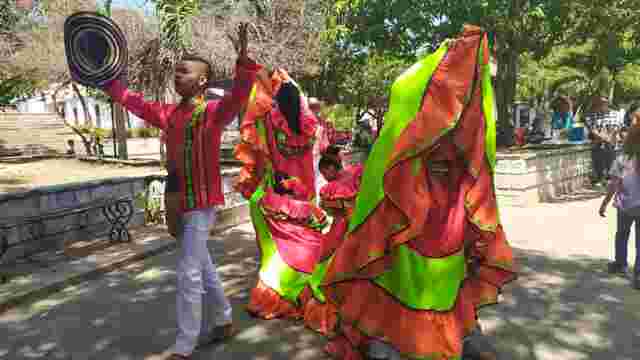
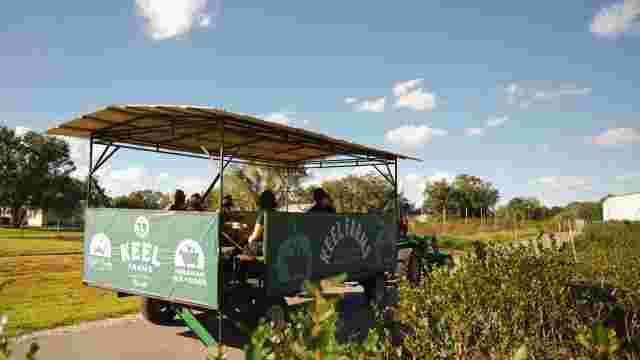
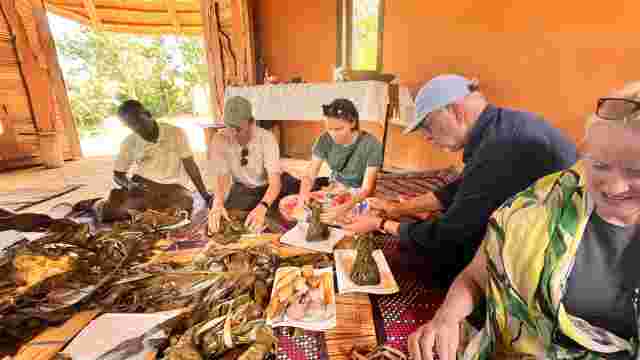
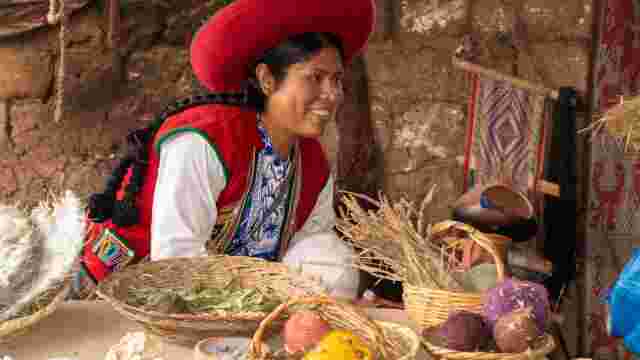
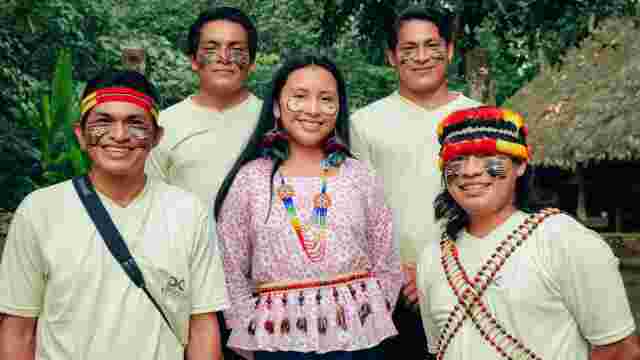
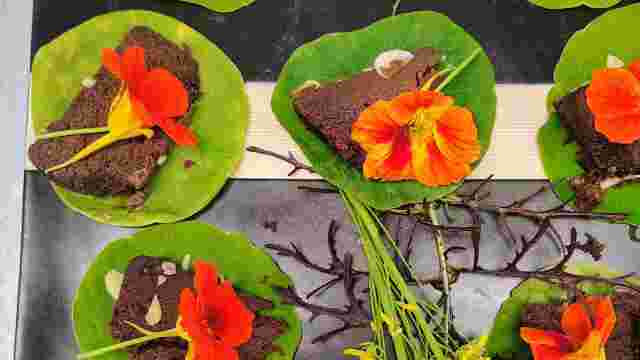
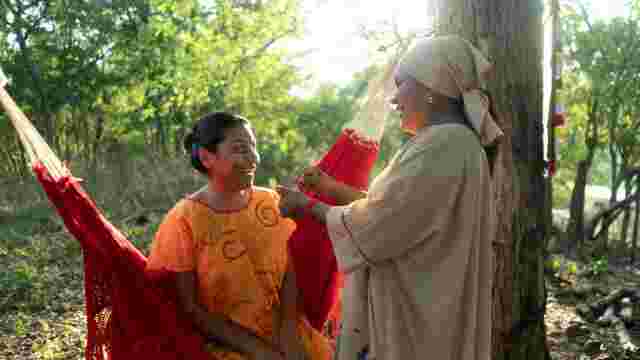
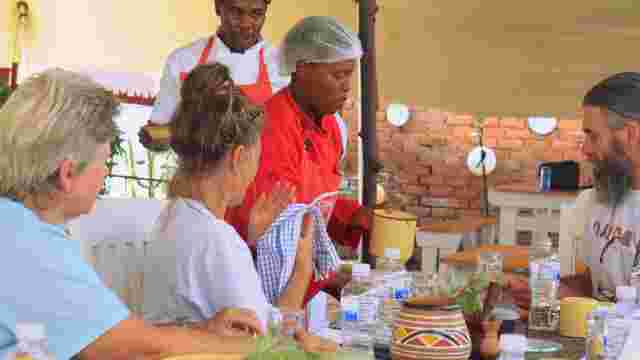
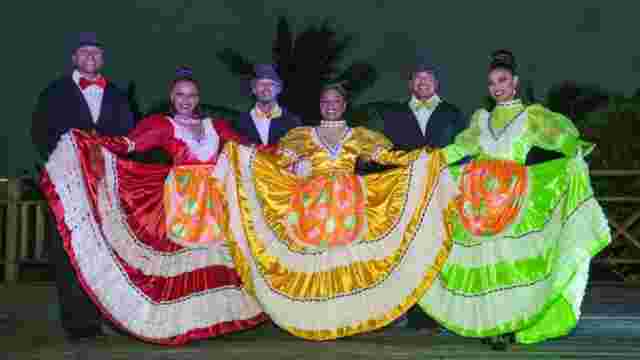
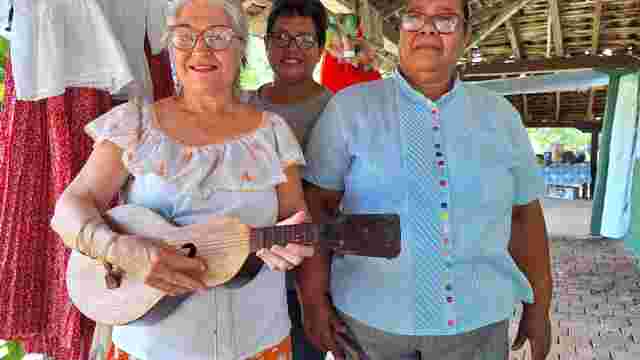
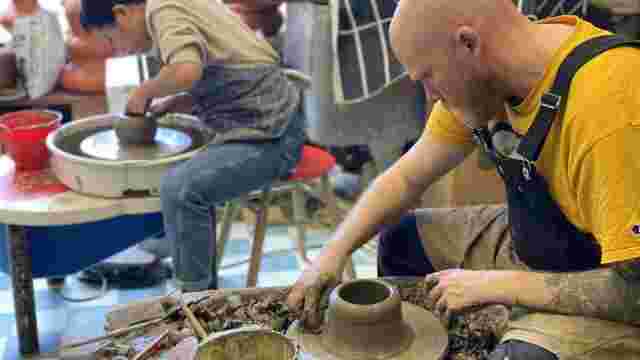
Mato Grosso do Sul is also a melting pot of cultural heritage, deeply influenced by its Indigenous roots and the fusion of Gaucho and Paraguayan cultures. This rich tapestry of traditions offers a sensory feast of gastronomic delights and musical rhythms, inviting visitors to immerse themselves in the warmth of its people. Guided by the wisdom of the Pantanal Man, local farms employ sustainable practices to minimize their impact on the wetlands, contributing to the protection of this unique biome for generations to come. Recognized as a UNESCO World Heritage site and Biosphere Reserve, the Pantanal stands as a testament to the state's commitment to conservation and sustainable tourism. Whether seeking adventure in the wilderness, exploring historical sites, or simply reveling in the natural beauty that surrounds them, visitors to Mato Grosso do Sul are sure to find a wealth of opportunities to explore and experience the wonders of this remarkable region.
Impact
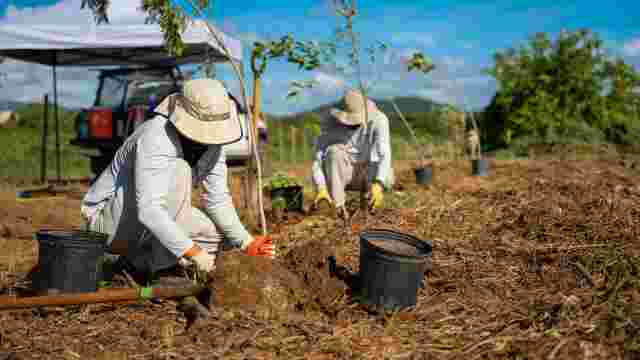
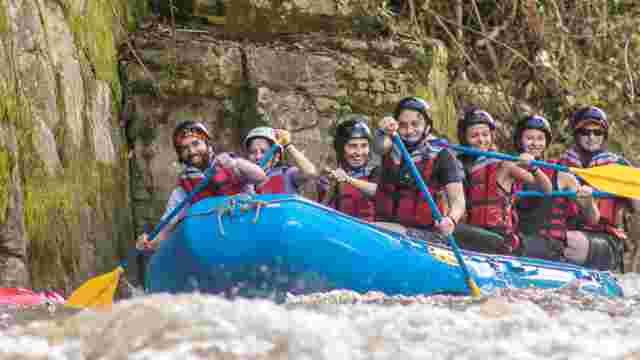
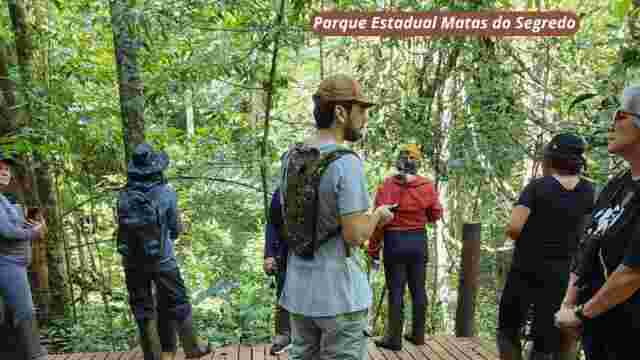
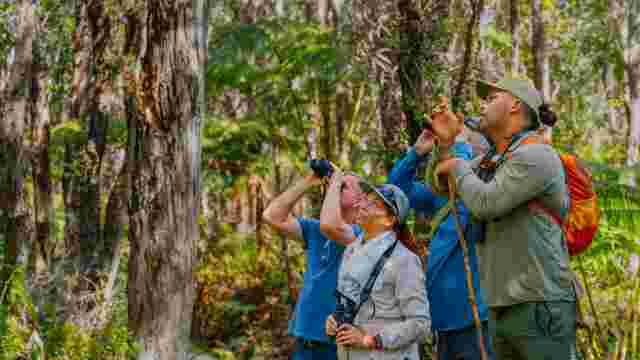
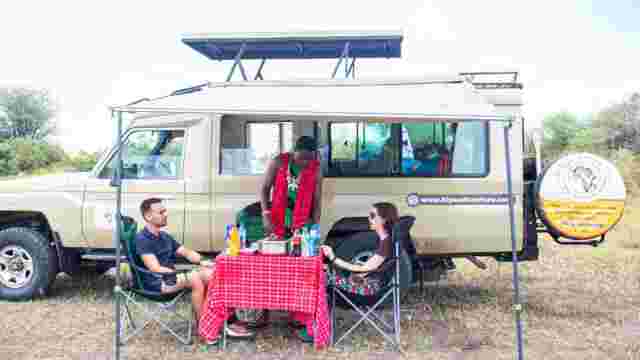
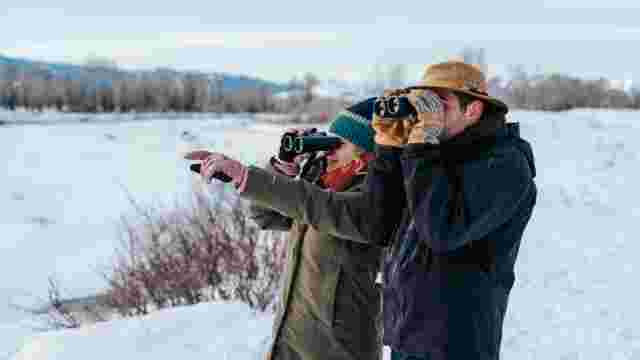
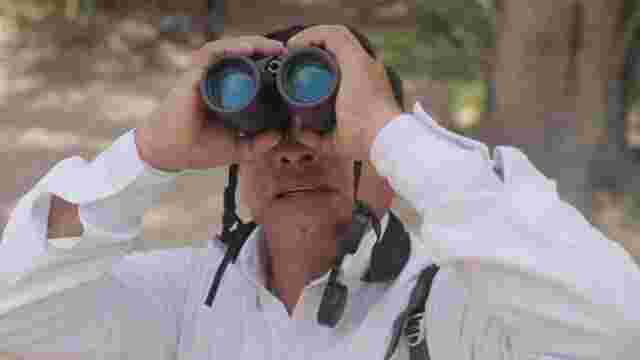
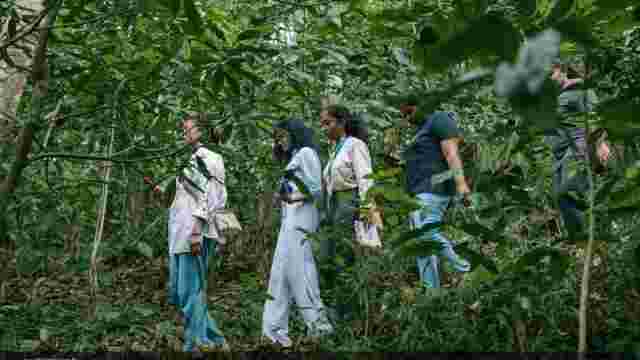
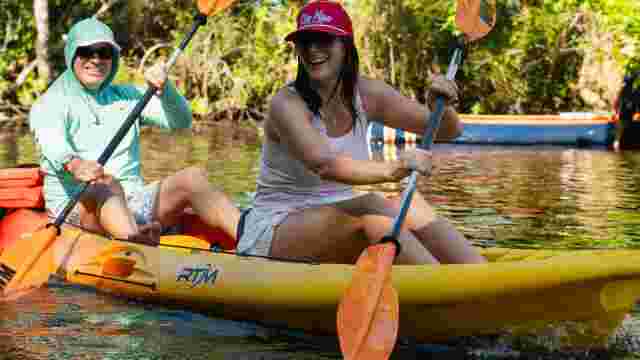
In Mato Grosso do Sul, biodiversity isn't just a fact of life; it's a precious asset that demands protection. From the sweeping expanses of the Pantanal to the verdant forests, the state boasts an extraordinary array of ecosystems. Safeguarding these natural environments isn't just about preserving biodiversity;it's about ensuring the continuation of vital ecosystem services that sustain life. Presently, Mato Grosso do Sul hosts several conservation institutes, encompassing both governmental and non-governmental organizations, all dedicated to protecting the state's biodiversity and natural resources. These institutes include National Parks, State Parks, Natural Monuments, as well as Municipal Parks, Ecological Stations, Wildlife Refuges, and Biological Reserves. Given Mato Grosso do Sul's rich geographical and ecological diversity, there's a growing interest in ecotourism, offering activities like diving, waterfall excursions, wildlife safaris, birdwatching, and more.
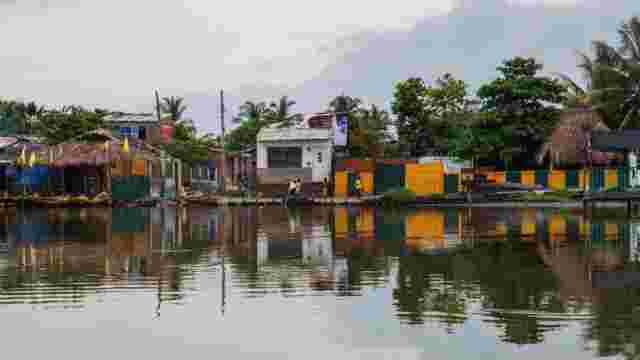
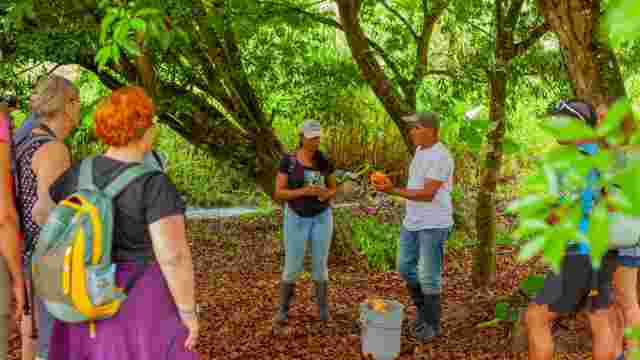
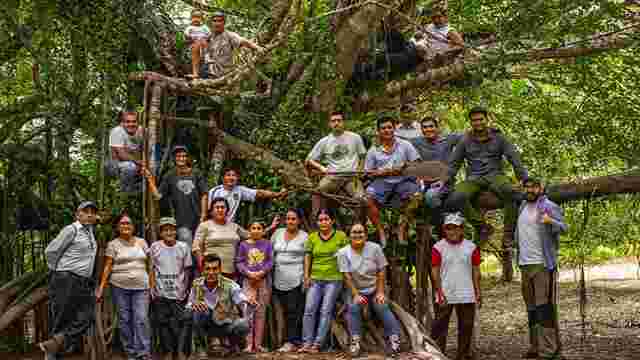
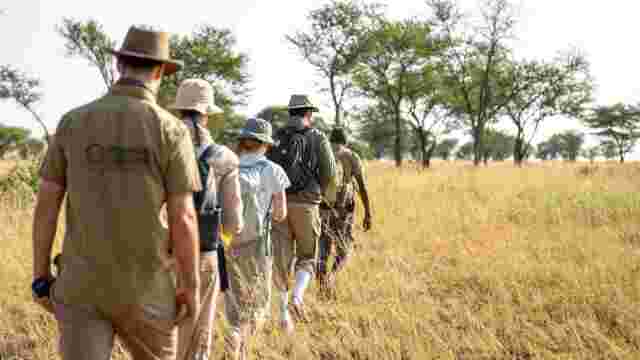
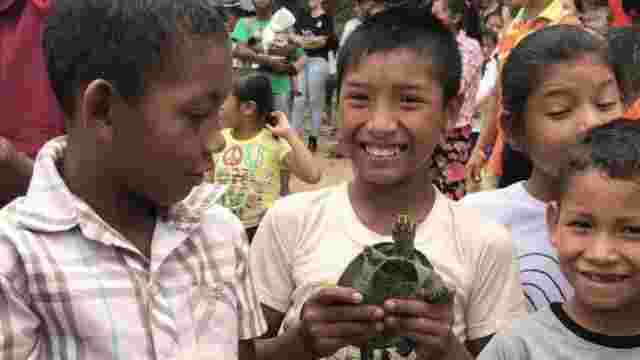
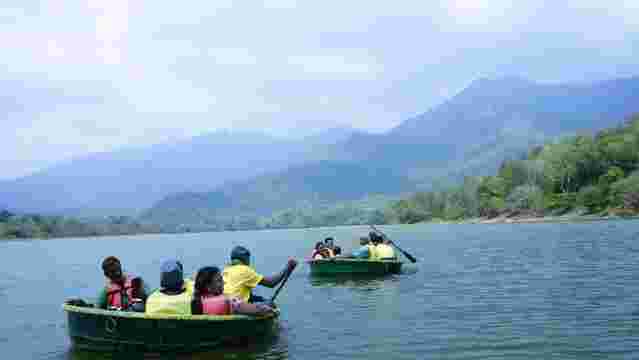
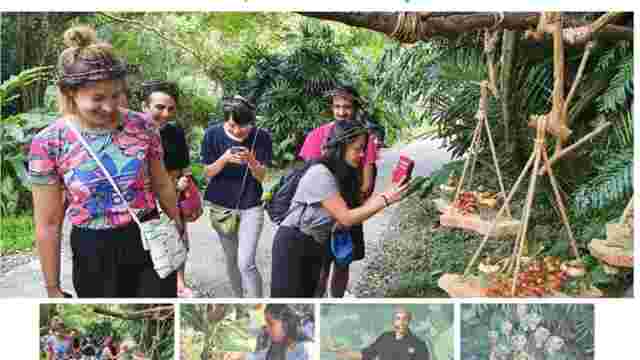
Recognizing the importance of responsible tourism, destinations in the region are also focused on preserving cultural heritage, exemplified by the “Pantanal Man Institute”, a non-profit civil society organization focused on the conservation and preservation of the Pantanal biome and local culture. This also involves the riverine people acting as guardians of the area. Bonito, honored with the World Responsible Tourism Awards in 2013 and consistently voted the top eco-tourism destination in Brazil 16 times by readers of Viagem e Turismo magazine, boasts public management initiatives focused on sustainability and implementing controlled carrying capacity measures. In Serra da Bodoquena, located 70 km from Bonito, visitors can explore a variety of natural environments ideal for ecotourism, including canyons, waterfalls, and freshwater beaches. Similar to Bonito, these attractions also adhere to capacity controls to ensure sustainable tourism practices. In the same state, we encounter the Pantanal, a region encompassing the Pantanal-Cerrado (Brazil), Chiquitano Dry Forest (Bolivia), and Chaco (Paraguay), which collectively possess attributes that have earned them the prestigious designation of Biosphere Reserve by UNESCO (2000). Additionally, the Complex of Protected Areas of the Pantanal (MS and MT) holds the esteemed title of World Natural Heritage site. Beyond providing a sustainable income stream in Mato Grosso do Sul, ecotourism serves as a powerful tool for raising awareness about the significance of environmental preservation. Activities such as floating in the lakes of Bonito or wildlife observation are carefully led by trained guides, who strive to minimize human impact and instill a sense of reverence for these natural wonders. Sustainable tourism in Mato Grosso do Sul is not merely a concept but a tangible commitment reflected in various initiatives and practices. The region's emphasis on ecotourism ensures that visitors can immerse themselves in the natural wonders of the state while minimizing their impact on the environment.
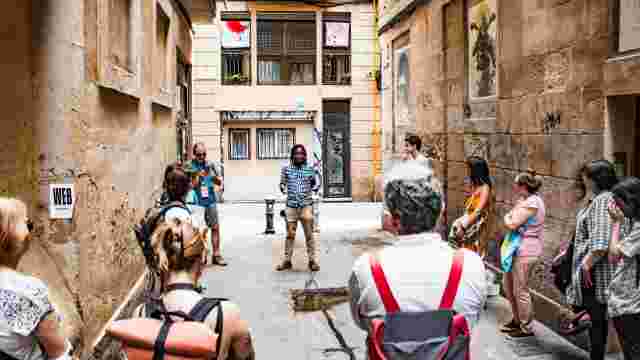
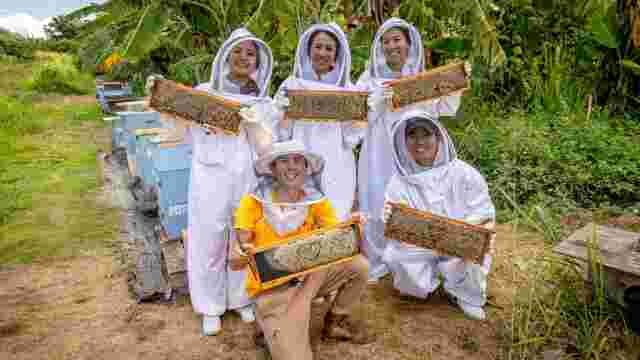
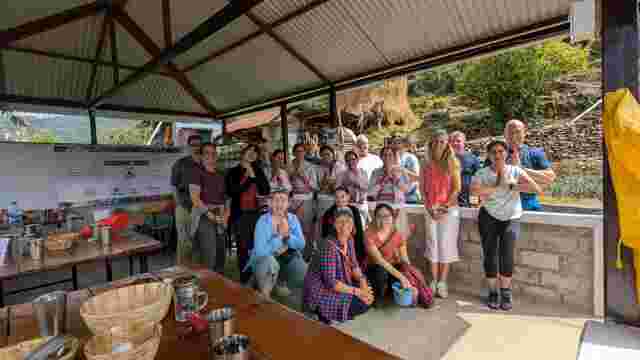
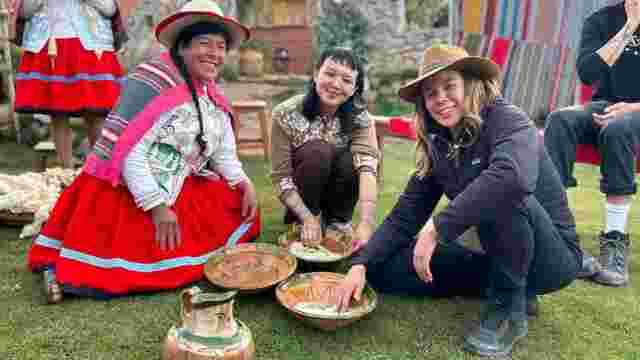
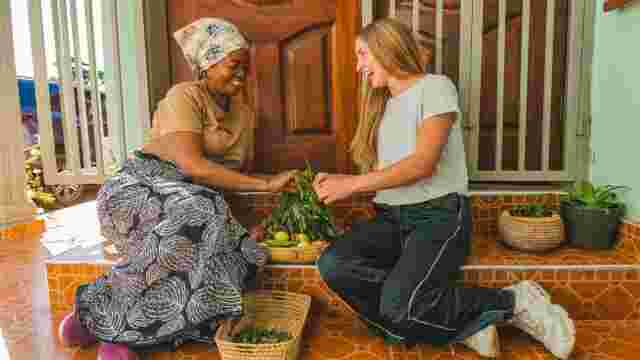
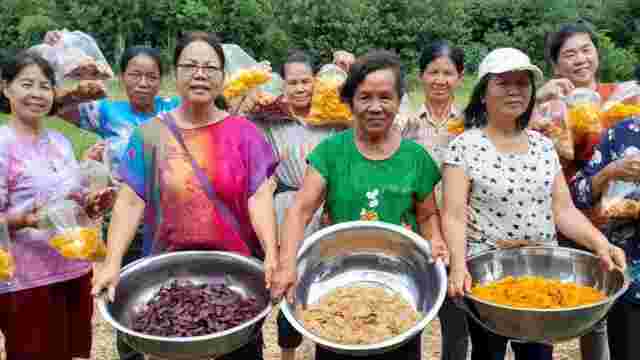
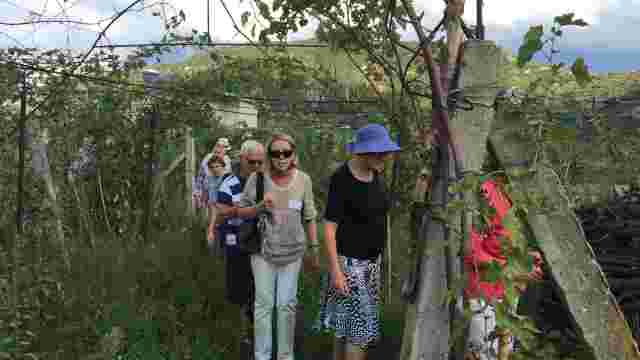
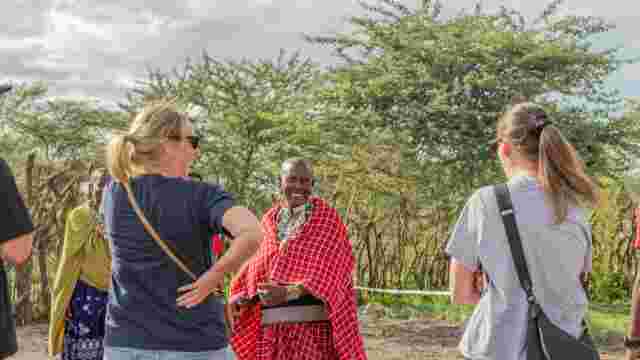
Additionally, community-based tourism initiatives foster meaningful interactions with local residents, contributing to sustainable development and cultural exchange. Conservation efforts play a crucial role in protecting the state's biodiversity, while educational initiatives ensure that tourists are informed and engaged in sustainable practices throughout their stay. By prioritizing responsible tourism, Mato Grosso do Sul sets a commendable example for destinations worldwide, demonstrating that preserving natural and cultural heritage can go hand in hand with providing memorable and enriching experiences for visitors.
To learn more, please contact Gisele Abrahão (gisele@globalvisionaccess.com) or Bruno Wendling (brunowconsultor@gmail.com).